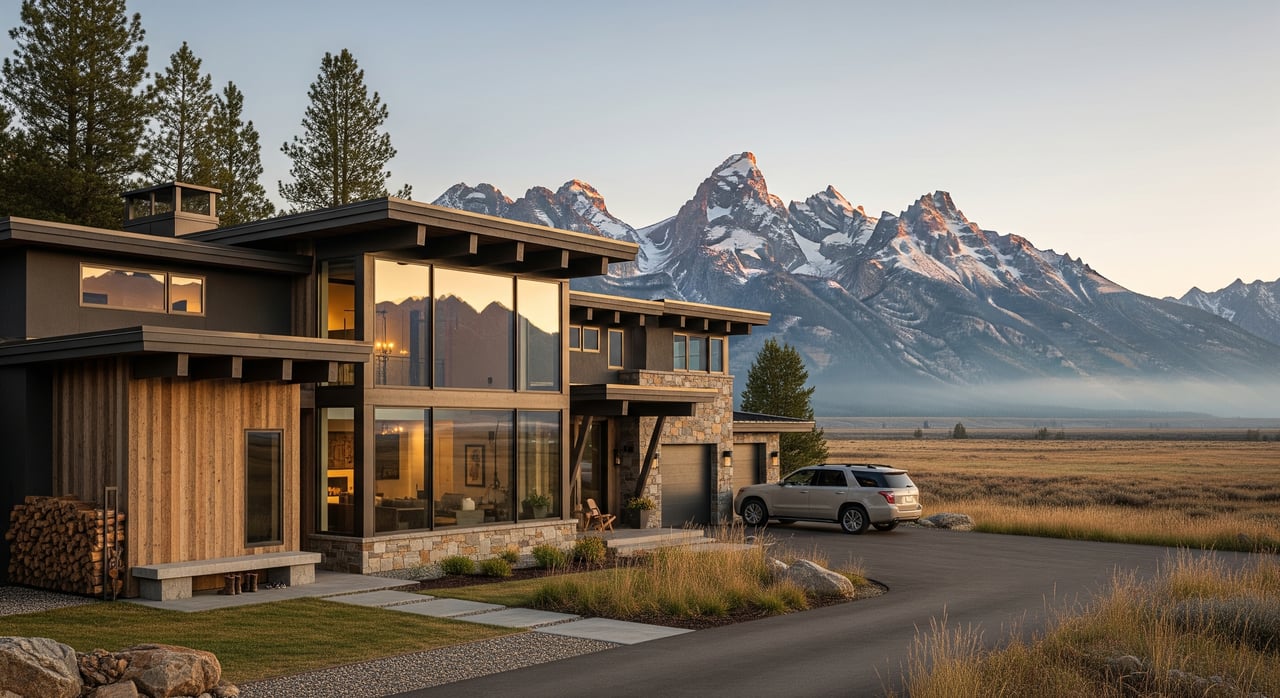
Thinking about moving north of Jackson and wondering what day-to-day life really looks like? You are not alone. This stretch of the valley offers postcard views and quick access to Grand Teton National Park, but it also comes with unique logistics. In this guide, you will learn how commuting works, where you will find essential services, what to expect from utilities and internet, and how seasonality shapes life in Teton County. Let’s dive in.
What “north of Jackson” means
When locals say “north of Jackson,” they usually mean the Jackson Hole valley along US‑191/US‑89/US‑26 as it heads from the Town of Jackson toward Moose, Kelly and Moran Junction, plus rural pockets near the northern end of the valley. Some people also include nearby Wilson to the northwest. Land here spans a mix of Town of Jackson, unincorporated Teton County, private inholdings and federal lands.
Jurisdiction matters. Town addresses often have municipal utilities and different permitting. County properties can have wells, septic systems and rural services. Parcels inside or beside Grand Teton National Park can have added constraints. Understanding who governs your address helps you plan utilities, permits and future projects.
Getting around year-round
Commute times at a glance
Drive times vary with weather and exact location, but locals commonly cite the following:
- Downtown Jackson to Moose, often under 15 to 20 minutes.
- Downtown Jackson to Wilson, roughly 10 to 20 minutes.
- Jackson to Moran Junction, often 45 to 60 minutes or more.
The Jackson Hole Airport sits north of town within the valley, so access from north-of-town neighborhoods is usually straightforward outside of storms.
Winter driving and closures
Snow is a fact of life. Winters bring heavy snowfall that slows commutes and can cause occasional delays. County and state plows run on set schedules, and some mountain passes and park roads have seasonal closures or limited winter maintenance. You will want a vehicle set up for winter with all-wheel or 4WD and proper snow tires, plus a plan for private driveway plowing.
Road conditions and restrictions change with weather. Seasonal schedules affect travel north into Yellowstone on certain park roads. Many residents check state and park advisories, especially during storms or freeze-thaw cycles.
Transit, rides and airport access
START Bus provides fixed-route service around Jackson and nearby destinations, with seasonal adjustments and added summer frequency. Private rideshare and taxi options exist but are limited compared with big cities, so most residents rely on personal vehicles. The airport offers scheduled commercial flights, with ground travel times that lengthen in poor weather.
Mail and package deliveries
Some rural addresses use PO boxes or have limited direct delivery. Package services may charge surcharges or follow different routes in the northern valley. It is smart to confirm USPS and major carrier availability for a specific property.
Everyday services you will use
Groceries and shopping
Most full-service grocery stores and larger retail options are in the Town of Jackson. Wilson and other nearby communities offer smaller markets and specialty shops, but many errands will bring you into town. Planning shopping runs helps reduce extra trips during busy tourist weeks or snowy periods.
Healthcare access
St. John’s Health in Jackson is the primary regional hospital and emergency care provider. Routine and specialty care largely happens in Jackson, with some specialty services requiring travel out of the area. For rural addresses, consider drive time for urgent care, routine visits and winter access.
Schools and childcare
Public schools are served by Teton County School District #1, which covers Jackson and surrounding areas. Attendance zones and bus routes vary by address, and rural students may have longer bus rides. The area also has private and charter options, though availability can be limited and may involve waitlists.
Utilities and connectivity
Water, sewer, heat and power
Utilities depend on location. Town addresses typically have municipal water and sewer. Many northern and rural homes use private wells and septic systems, which should be evaluated and permitted properly during a purchase. Heating sources include propane, natural gas where available, electric or wood. Electric providers can vary by parcel, so verify service for the exact address.
Internet and cellular coverage
Speed and reliability differ across the northern valley. You will see better fiber or high-speed options in town and denser neighborhoods. More remote properties may rely on fixed wireless, DSL or satellite. Cellular coverage can have gaps in rural areas and near canyons, so always confirm providers for the specific property you are considering.
Waste and bear-wise rules
This is bear country. Teton County and the Town of Jackson emphasize bear-wise practices, and some areas require bear-resistant trash containers. Expect to secure attractants, follow local trash collection schedules and learn wildlife safety basics. These practices protect both people and animals.
Housing costs, taxes and rules
Market basics
The Jackson Hole market has historically featured limited inventory and premium pricing, especially for homes with views or proximity to public lands. Conditions shift with tourism, remote-work patterns and inventory, but buyers should expect competitive segments and seasonal rental demand that peaks in summer and ski season.
Taxes and cost of living
Wyoming has no state personal income tax, which is a key factor for many relocations. Property tax rates are relatively low by percentage, but high assessed values in Teton County can lead to significant annual tax bills. Sales and lodging taxes are higher than national averages and are important to consider if you plan to operate a rental.
Short-term rentals and permits
Short-term rental rules differ between the Town of Jackson and unincorporated Teton County, and they change over time. Requirements can include licensing, occupancy limits and taxation. If rental income is part of your plan, review current local ordinances and business license steps before you buy.
Insurance and risk
Wildfire risk is a major factor for many properties, and premiums can reflect defensible space and community mitigation. Flood insurance may be needed near the Snake River and tributaries. Standard homeowner policies in rural or high-wildlife areas can have exclusions or higher deductibles, so get property-specific quotes early.
Lifestyle and seasons
Outdoor access
Living north of Jackson puts you close to Grand Teton National Park and Bridger‑Teton National Forest for hiking, fishing, boating and winter trails. Many homes sit within a quick drive to river access and trailheads, but always confirm public access and easements for any parcel. Winter brings cross‑country skiing and snowmobiling in permitted areas, plus downhill skiing within the valley region.
Wildlife and safety
You will share the valley with elk, moose, black and grizzly bears, wolves and coyotes. Learn encounter protocols, secure attractants and carry bear-aware tools where appropriate. Vehicle collisions with wildlife are more common at dawn and dusk, so build a little extra time into early or late drives.
Tourism tempo
Summer and ski season bring higher traffic, busy restaurants and full trailhead parking. Shoulder seasons can feel much quieter. Planning errands outside peak hours and understanding event calendars can make daily life smoother during the busiest weeks.
Buyer checklist for north-of-town properties
- Confirm commute times to downtown Jackson, the airport, your preferred grocery store and St. John’s Health, then estimate winter travel.
- Verify jurisdiction for each property, since Town vs. County affects utilities, zoning and permits.
- Check water, sewer, power and heating sources, and review well/septic permits and inspection reports.
- Confirm internet and cellular providers for the exact address, including expected speeds and reliability.
- Review school attendance zones, bus routes and childcare availability if relevant.
- Evaluate short-term rental rules and tax obligations if rental income is part of your plan.
- Order wildfire, flood and wildlife risk assessments, then obtain insurance quotes early in due diligence.
- Clarify road maintenance and snow plowing responsibilities for private drives and neighborhood roads.
Thinking about a move to the northern valley and want property-level guidance? Connect with a local team that blends decades of Jackson Hole experience with personal, white-glove service. Start a conversation with Jennifer Reichert to map the right fit for your lifestyle and goals.
FAQs
What commute times should I expect north of Jackson?
- From downtown Jackson, many residents report about 15 to 20 minutes to Moose, 10 to 20 minutes to Wilson and 45 to 60 minutes or more to Moran Junction, with longer times during winter weather.
How reliable is internet service in rural parts of the northern valley?
- High-speed options are strongest in town and denser neighborhoods, while rural homes may rely on fixed wireless, DSL or satellite; always confirm providers and speeds for the specific address.
Where will I go for healthcare if I live near Moose or Moran?
- St. John’s Health in Jackson is the primary hospital and emergency care provider for the area, so plan for drive times from your home, especially in winter conditions.
Can I operate a short-term rental outside the Town of Jackson?
- Rules differ between the Town of Jackson and Teton County, and they change over time; review current ordinances, licensing steps and occupancy limits before you buy.
What wildlife precautions are required for homes north of town?
- Expect bear-wise rules in many areas, including securing attractants and using bear-resistant trash containers; learn local guidelines and encounter safety basics for daily life and guests.