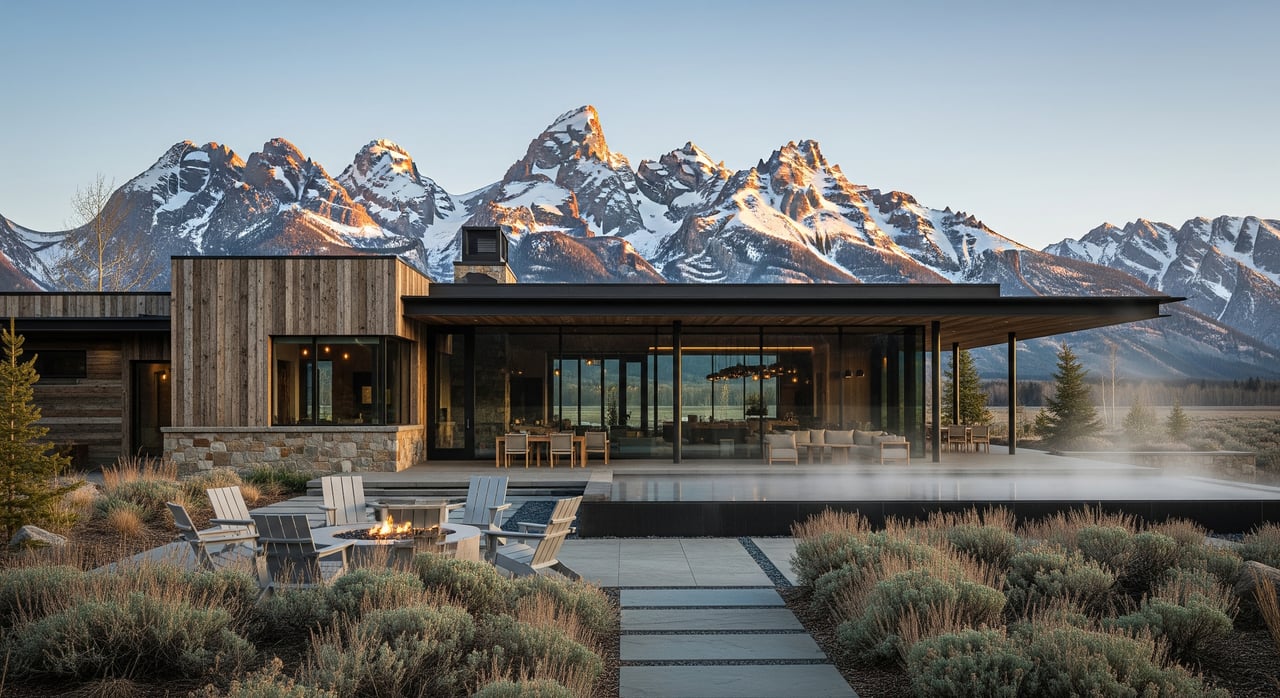
Considering a private-club home south of Jackson? You likely want a peaceful base with curated amenities and easy access to the outdoors. You also want clarity on memberships, fees, rules, and what daily life looks like in this part of the valley. This guide gives you a clear picture of club types, costs, local regulations, and the due diligence that protects your purchase. Let’s dive in.
What private-club living means here
Private-club living in the Jackson area blends homeownership with member-only amenities and programming. You get community, services, and access, but also responsibilities and rules that affect how you use the property and what it costs over time.
Common club types south of Jackson
- Golf and country clubs: private or semi-private courses with dining, pool, fitness, and social events.
- Sporting and fly-fishing clubs: managed access to hunting, shooting, or river and fishing resources.
- Equestrian clubs: boarding, arenas, trails, and pasture infrastructure.
- Mountain or alpine clubs: easy reach to trailheads or skier amenities.
- Hybrid or resort-style clubs: multiple activities plus concierge-style services.
Ownership and membership basics
- Fee-simple property plus membership: you own the home; club membership is a separate asset that may or may not transfer.
- Membership-deeded properties: membership rights run with the lot or unit by deed.
- Equity vs. non-equity clubs: equity clubs may have capital accounts and special assessments; non-equity clubs operate more like a service with dues.
- Membership classes: full, social, limited, family, or non-resident, each with different access and rules.
- Transferability and wait-lists: some clubs cap new members or require sponsor approval.
South of Jackson realities
Life south of Jackson is shaped by geography, seasons, wildlife, and infrastructure. Understanding these factors helps you budget, plan access, and choose the right community.
Geography and commute
“South of Jackson” generally covers corridors along Highway 22 and US‑191 and valleys toward Wilson and Hoback. Commute times to downtown Jackson, the hospital, and ski areas vary by neighborhood and road conditions. Verify drive times for both peak season and winter.
Seasonality and weather
Winters bring heavy snow. Spring runoff can affect roads and drainage. Budget for snow removal, roof snow management, and seasonal maintenance. If a driveway is heated or a road is private, confirm the provider and costs.
Wildlife, wildfire, and environment
Large mammals such as bears, moose, elk, and wolves are part of daily life. Look for wildlife-compatible infrastructure, like bear-proof trash and fencing designed for safe passage. Wildfire risk has been rising, so plan for defensible space, mitigation steps, and insurance that reflects the property’s exposure.
Water, septic, and utilities
Many rural properties rely on wells and septic systems. Wyoming follows prior appropriation water law, so water rights and irrigation can be complex and materially affect use and value. Confirm permits, system capacity, and any shared infrastructure.
Public lands and recreation
Proximity to Grand Teton National Park and the Bridger‑Teton National Forest shapes access and conservation. Recreation is close, but development and use can be limited by wildlife corridors and other protections.
Costs and fees to budget
Club living has layered costs beyond mortgage and property tax. Budget for:
- Initiation or transfer fees
- Annual dues and periodic increases
- Food and beverage minimums
- Cart or range fees where applicable
- HOA dues and design review fees
- Special assessments for capital projects
- Private road, snow removal, or irrigation fees
How dues and assessments change
Clubs can raise dues or levy special assessments to fund capital projects. Review the club’s financial statements, operating budget, and reserve study. Ask about recent board minutes to see if projects are planned that could affect costs.
Rentals, guests, and use rules
If you hope to offset costs with rental income or plan to host guests, run a three-layer check:
- Municipal or county rules: Town of Jackson and unincorporated Teton County have different short-term rental regulations and licensing requirements.
- HOA and CC&Rs: neighborhood rules may limit or prohibit rentals and set guest policies.
- Club policies: member-only access often applies, and clubs may restrict guest use of amenities.
Short-term rental and lodging taxes may apply. Confirm requirements in writing before you rely on rental income.
Financing, appraisal, and taxes
Lenders may consider initiation fees and dues when assessing debt-to-income. Some require proof that dues are current. Appraisals in club communities can be challenging due to limited comparable sales and unique amenities. Work with a lender and appraiser who understand local club markets.
Property taxes are set by Teton County. Verify the current assessed value and mill levies with the Teton County Assessor. If you plan any short-term rental activity, confirm transient lodging tax and licensing requirements.
Resale and negotiation points
Membership can affect marketability and value. A property with a transferable membership may command a premium. Restrictive or costly memberships can narrow the buyer pool and extend time on market.
Use these negotiation levers as a buyer:
- Request membership transfer in the purchase, including initiation or transfer fee terms.
- Require the seller to cure or disclose any outstanding dues or assessments.
- Obtain club and HOA financials, budgets, and reserve studies before finalizing terms.
- Include inspection contingencies for septic, well, and wildfire hazards.
Due diligence checklist
Confirm these documents and facts before you commit. Sellers can use this list to prepare for buyer questions.
Club documents and policies
- Current membership agreements, fee schedules, and transfer rules
- Wait-list or sponsor policies
- Reciprocal or affiliate privileges
- Financial statements, operating budget, reserve study
- Recent board minutes and any planned capital projects
- Bylaws, facility rules, guest policies, and rental rules
HOA and property documents
- CC&Rs, plats, bylaws, and design guidelines
- Any recent or pending violation notices
- Association budget, reserve study, and insurance policies
- Payment history for dues and assessments
Property-specific records
- Current title report, deed restrictions, and easements
- Survey and building permits for additions
- Septic and well permits or utility connection records
- Recent inspection reports
- Any recorded membership deed language or assignment tied to the lot
Municipal and county checks
- Zoning and permitted uses, including short-term rentals
- Road maintenance responsibilities
- Property tax status with the Teton County Assessor
- Any special district levies, such as irrigation or road
Physical and site due diligence
- Home inspection and roof snow load review
- Septic inspection and well yield testing
- Wildfire mitigation status and defensible space plan
- Drainage and spring runoff assessment
- Wildlife activity history and installed mitigation measures
Financial and financing considerations
- Lender requirements for the specific club or community
- Comparable sales inside the community and in similar clubs
People to consult
- A local agent with club-community experience
- Club manager or membership director
- HOA or board representative
- A local real estate attorney with HOA and club expertise
- A lender and appraiser familiar with Jackson Hole club properties
- Town or county planning and the Teton County Assessor
Choosing the right fit
Start with lifestyle and access. List the amenities you will use in every season. Then map commute routes to town, the hospital, schools you may use, and recreation you value most. Next, review the membership class that fits your household and guests. If there is a wait-list, confirm timelines and whether interim access is available.
Balance use against cost. Compare initiation fees, annual dues, and any capital plans across communities. Read the CC&Rs and club rules to spot limits on rentals, pets, home businesses, design changes, fencing, and vehicle storage. Finally, sit down with the club manager and tour at different times of day and in different seasons so you know what day-to-day living feels like.
Work with a local guide
Buying in a private club south of Jackson is about more than a floor plan and view. It is a layered decision that touches lifestyle, rules, fees, and long-term maintenance in a mountain climate. With the right due diligence and local support, you can secure a home that fits the way you want to live.
If you are weighing options or want a tailored comparison of club communities, reach out to Jennifer Reichert for a confidential consultation.
FAQs
Does buying a home automatically include club membership?
- It depends. Some properties have deeded membership rights, while others require a separate purchase or approval. Always confirm transfer terms and fees in writing.
What costs should I expect beyond mortgage and taxes?
- Plan for initiation or transfer fees, annual dues, food and beverage minimums, cart or range fees, HOA dues, special assessments, and private road or snow removal costs.
Can I use short-term rentals to offset my costs?
- Check municipal or county rules, your HOA and CC&Rs, and club policies. Some areas prohibit or restrict short-term rentals and may require licensing and lodging taxes.
How do financing and appraisals work in club communities?
- Lenders may factor dues and fees into debt ratios, and appraisers rely on recent sales in the same or comparable clubs. Use local lenders and appraisers who know these properties.
Are private-club homes a good investment in Jackson Hole?
- They can offer lifestyle value and limited supply, but costs, rules, and a narrower buyer pool can affect returns. Evaluate for fit and hold horizon rather than quick appreciation.