Selling acreage south of Jackson is not the same as selling an in-town home. Buyers are looking at the house, of course, but they are also studying the land, access, improvements, and how easy the property is to understand from the moment they arrive. In a market where Teton County home prices remained high in spring 2026 and homes took a median 193 days to sell, smart preparation can help your property feel clearer, more complete, and more compelling. Let’s dive in.
Why acreage prep matters more
South-of-town properties are a niche segment, and buyers tend to evaluate them differently than a standard residential listing. Local market reporting showed the area just south of Jackson accounted for 13% of transactions in midyear 2025, and land and ranch sales were described as highly parcel-specific.
That matters because buyers are often asking bigger questions. They want to know what is usable, what is maintained, what is documented, and what future constraints may affect the property. The goal is not to make an acreage home look overly polished. The goal is to make it feel cared for, legible, and easy to trust.
Start with access and arrival
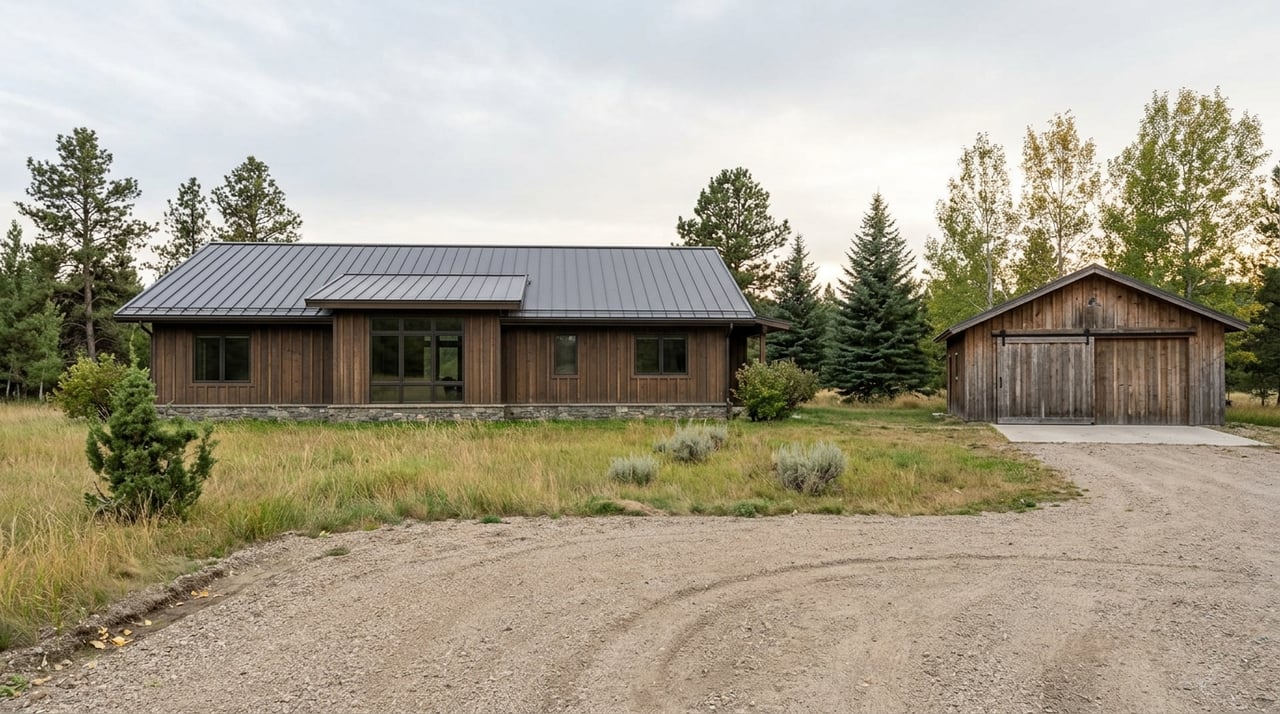
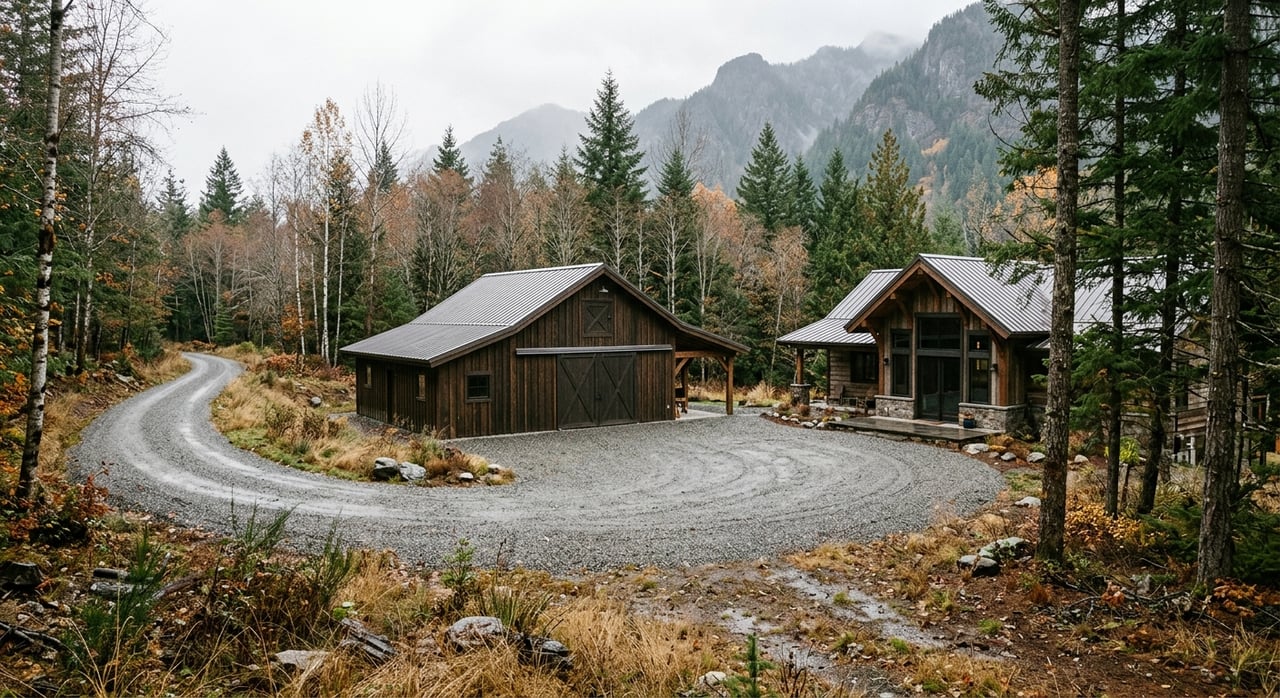
First impressions carry extra weight on acreage. Before buyers ever step inside, they are reading the driveway, the entry sequence, parking areas, and how the land opens up around the home.
Focus first on the approach. Trim back vegetation that crowds the driveway, remove obvious debris, and make turnouts and parking areas easy to follow. On a rural property, buyers usually respond well to a maintained, natural presentation rather than a suburban-style landscape.
If your property has a gate, signage, or a long drive, make sure the route feels intuitive. A confusing arrival can make a property feel harder to own. A clear arrival helps buyers relax and focus on the setting.
Clean the land thoughtfully
Acreage cleanup should look intentional, not artificial. Buyers generally want to see that the property has been maintained, but they also expect land south of Jackson to retain a natural, mountain-west character.
As you prepare, clear away scrap materials, old equipment that does not add value, and visual clutter near the home and outbuildings. If there are areas of the property that are not part of the showing story, simplify them as much as possible so buyers are not distracted by deferred maintenance.
At the same time, avoid overworking the landscape. A rural property does not need to look manicured to make a strong impression. It needs to feel usable, orderly, and cared for.
Remove wildlife attractants
This is an important local detail. Teton County prohibits feeding wildlife and specifically identifies attractants such as pet food, hay, grain, seed, birdseed, and garbage.
Before photos and showings, secure trash, remove visible feed, and clean up anything that could attract bears, moose, or other wildlife. This protects the property’s presentation and helps you avoid sending the wrong message about day-to-day upkeep.
For many buyers, visible attractants can raise immediate questions about safety, maintenance, and property management. A cleaner setup helps your acreage feel more responsibly cared for.
Be careful with burn piles and cleanup
If your property cleanup includes brush piles or open burning, check current local rules before doing any work. Teton County states that burn piles larger than 10 x 10 x 10 require a Wyoming DEQ permit, and agricultural burns still must follow county open-burn rules.
This is one of those details that can easily get overlooked during pre-listing prep. If you are rushing to clean up the land, it is worth slowing down long enough to confirm what is allowed.
A rushed cleanup project should never create a bigger issue just before your home hits the market. Safe, compliant preparation is always the better path.
Respect stream and wetland setbacks
If your acreage touches a river, stream, or wetland, be especially cautious with trimming, grading, fencing, storage, or staging. Teton County lists buffer areas of 150 feet for rivers, 100 feet for perennial and intermittent streams, 30 feet for ephemeral streams, and 50 feet for wetlands.
Within these buffer areas, the county says clearing, grading, construction, storage, parking, structures, and fences are not allowed. That means even simple pre-sale cleanup decisions should be made carefully if your land is water-adjacent.
For buyers, water features can be a major draw. But they also bring added rules and stewardship responsibilities. It helps when you present the property in a way that respects those boundaries from the start.
Present outbuildings as assets
On acreage, sheds, barns, workshops, and similar structures can be a real selling point. They can also create uncertainty if they look improvised, unfinished, or undocumented.
Take time to clean each outbuilding, remove unnecessary storage, and make its purpose easy to understand. A tidy barn feels more valuable than a crowded one. A clean workshop reads as useful space rather than overflow space.
Documentation matters too. Teton County notes that many common improvements require permits, including some porches, retaining walls over 4 feet, roof replacements, windows, exterior doors, interior remodels, and decks over 30 inches above grade. Even when a structure is exempt from a building permit, planning review may still be required.
The county also notes limited exceptions for some agriculture-related buildings under 600 square feet and some non-habitable accessory structures under 200 square feet. That is why it is smart to gather permit history rather than assume every shed, barn, or outbuilding was exempt.
Check fences before listing
Fencing deserves its own review on south-of-Jackson acreage. Teton County and the Jackson Hole Wildlife Foundation work together on wildlife-friendly fencing compliance, and the county requires a special-purpose fencing application when a design differs from wildlife-friendly rules.
If your fencing is older, damaged, or unusual, take a closer look before listing. Buyers who are considering acreage often pay attention to boundaries, animal movement, and maintenance needs.
A fence that appears compliant and well-kept supports the overall story of stewardship. A fence that raises questions can pull attention away from the strengths of the property.
Update exterior lighting
Lighting may seem minor, but it affects both presentation and buyer perception. Teton County adopted new exterior lighting regulations effective July 1, 2026, and the standards in unincorporated Teton County require fully shielded fixtures.
If your property has bright exposed floodlights or mismatched exterior fixtures, this is a good time to simplify. Subtle, shielded lighting usually photographs better and feels more in tune with the surrounding landscape.
This is also an easy way to make the property feel more intentional. Small details like lighting often signal whether a home has been updated thoughtfully.
Gather well and water records
For many rural properties, buyers will want to understand the water source early. Teton County notes that many residents rely on private wells or springs, and private water sources require proper installation and routine maintenance.
Before listing, gather any available well records, maintenance history, and recent water test results. The county and Teton Conservation District offer water testing, including coliform and other basic water-quality checks, so current results can be useful to have on hand.
When buyers are looking at acreage, uncertainty can slow momentum. Clear records help answer questions before they become concerns.
Organize septic documents
Septic documentation is another key part of preparing an acreage property for sale. Teton County states that septic permits are reviewed through an online process and that profile holes or percolation tests may be required depending on site conditions.
From a seller’s perspective, the most helpful move is to gather what you already have. That may include septic permits, pumping records, repair history, and any inspection notes.
You do not need to overwhelm buyers with paperwork. You do want to show that the system has a clear history and that you are prepared to answer practical questions.
Address wildfire readiness
Wildfire preparedness is part of the local reality in Teton County. The county says all private land parcels in the Town of Jackson and Teton County are now within the mapped wildland urban interface and subject to IWUIC review.
The county also notes that defensible space is measured from the closest perimeter or projection of the structure to the lot line or property boundary, and that wildfire season generally runs from June through September. Teton Conservation District offers free wildfire risk overviews and voluntary recommendations to private landowners.
From a listing standpoint, basic wildfire readiness can help the property show better. Cleaning up immediate areas around structures, reducing obvious fuel clutter, and presenting the home as well maintained can reassure buyers who are new to acreage ownership.
Remove temporary living setups
If your property has a camper, RV, or trailer being used in a way that could confuse buyers, address it before photos and showings. Teton County prohibits using a camping trailer or RV as residential living quarters except temporarily in conjunction with an active building permit for a dwelling.
Even if there is a valid background story, these setups can distract from the main home and raise avoidable questions. If possible, remove or reposition them so the property presents more cleanly.
The more straightforward your acreage looks, the easier it is for buyers to focus on the value that is actually being offered.
Focus on clarity, not perfection
The best-prepared acreage listings are rarely the ones that feel overproduced. They are the ones that make it easy for buyers to understand the property, trust the maintenance, and picture ownership.
That means showing usable land clearly, presenting improvements with documentation, and handling local compliance details before they become negotiation issues. In a parcel-specific market, clarity is part of the marketing.
When you prepare your south-of-Jackson acreage with care, you give buyers something every serious purchaser wants: fewer unknowns and more confidence.
If you are thinking about selling and want a practical plan for preparing your property, Jennifer Reichert can help you position your acreage home with the local insight, thoughtful presentation, and high-touch guidance that this market deserves.
FAQs
What should you clean up first before selling a South of Jackson acreage home?
- Start with the driveway, entry, parking areas, visible debris, and any clutter near the home or outbuildings so buyers can understand the property right away.
What records should you gather for a Jackson acreage property sale?
- Gather permit history for improvements, well or spring records, recent water test results, septic permits, pumping and repair records, and any inspection notes you have available.
What wildlife issues matter when listing acreage in Teton County?
- Teton County prohibits feeding wildlife, so you should secure trash and remove visible attractants such as pet food, hay, grain, seed, birdseed, and similar materials before showings.
What should you know about fencing on acreage south of Jackson?
- Fencing should be reviewed for wildlife-friendly compliance, and Teton County requires a special-purpose fencing application when a fence design differs from the wildlife-friendly rules.
What should you check before trimming or staging near water on a Teton County property?
- Review local setback and buffer rules because rivers, streams, and wetlands have protected areas where clearing, grading, storage, parking, structures, and fences are restricted.
What should you do with RVs or campers before listing a rural Jackson property?
- Remove or reposition them when possible, since Teton County prohibits using a camping trailer or RV as residential living quarters except temporarily with an active building permit for a dwelling.