If you are dreaming about a little more elbow room south of Jackson, you are not alone. Small acreage can offer privacy, views, room for animals or outbuildings, and a stronger connection to the landscape, but it also comes with questions that do not show up in a typical in-town home search. The good news is that with the right due diligence, you can buy with more clarity and fewer surprises. Let’s dive in.
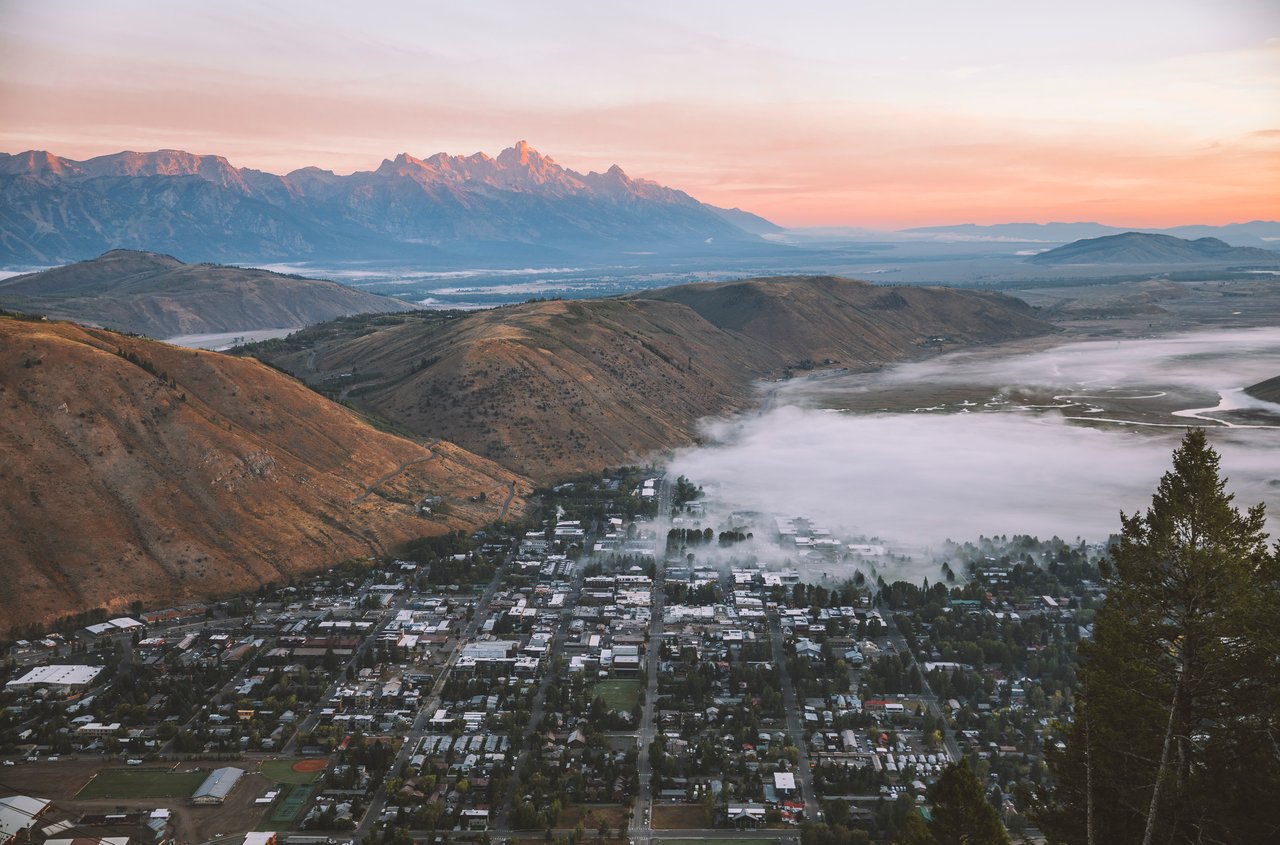
Why south of Jackson means different things
One of the first things to understand is that south of Jackson is not one uniform land market. In this area, you may be looking at rural county parcels, agricultural land, land near river or ditch corridors, or lots in planned neighborhoods with very different rules and expectations.
Teton County planning materials describe South Park as the agricultural southern gateway into Jackson, with an emphasis on scenic views, open space, and wildlife movement. That matters because the setting you love may also shape how land can be used, improved, or built on over time.
Start with jurisdiction first
Before you get too far into a property search, confirm whether a parcel is inside the Town of Jackson or in unincorporated Teton County. Teton County’s planning guidance says buyers should verify jurisdiction on the GIS map first because the Town and County use different rules.
This is a simple step, but it can affect nearly everything that follows. Zoning, permitting, setbacks, infrastructure, and land-use standards may all depend on which jurisdiction controls the parcel.
Acreage alone does not tell the story
A common mistake buyers make is assuming that the number of acres tells them what they can build or how much flexibility they have. In Teton County, rural-area zoning includes minimum lot sizes of 3, 5, 6, 7.5, 10, and 20 acres, plus an RA-6/3 zone that depends on groundwater depth. The county also describes the R-2 zone as generally containing large parcels, mostly in the 3 to 70 acre range.
That means a five-acre parcel and another five-acre parcel may not offer the same use options. Zoning and the recorded plat matter more than size alone when you are trying to understand building rights, future subdivision potential, or what types of improvements may be allowed.
Small acreage can mean very different lot types
Not every listing with land south of Jackson will feel or function like a rural ranch parcel. County materials show that lot sizes in nearby developments can range from very small platted lots to multi-acre sites.
For example, Wilson Meadows lots range from 0.25 to 2.6 acres, while Sage Meadows lots range from 0.06 to 0.10 acres. So if a listing is marketed as being south of Jackson, make sure you understand whether you are buying a rural parcel, a subdivision lot, or something in between.
Check recorded restrictions early
Some of the most important limits on a property may not be obvious when you first walk the land. Teton County notes that deed restrictions are recorded in county property records, and conservation easements can define specific development areas.
These restrictions can reduce or redirect future development rights, even if a parcel appears buildable at first glance. If you are thinking about a guest structure, barn, shop, fencing plan, or long-term land use, reviewing these documents early can save time and prevent expensive assumptions.
Understand agricultural classification questions
Some buyers are interested in small acreage for stewardship, hay ground, or rural use over the long term. For tax and land classification questions, the Teton County Assessor says individual subdivision parcels of 35 acres or more may be considered agricultural land if they otherwise qualify.
That does not mean every larger parcel will automatically receive that classification. It does mean you should ask specific questions if agricultural use or assessment is part of your decision-making.
Access deserves close attention
Access is one of the biggest practical issues on acreage property. County land-development rules require safe and adequate access to lots, whether by public right-of-way, private vehicular or pedestrian way, or a commonly owned easement.
In real life, that means you should look closely at more than just whether a road exists. Ask about driveway length, snow removal, road maintenance responsibilities, and the exact wording of any recorded access easement.
Utilities are rarely one-size-fits-all
South-of-Jackson parcels can vary widely when it comes to water, sewer, and other utility service. Teton County says many residents rely on private wells or springs, while public systems serve parts of the county.
If a property uses a private water source, proper installation and maintenance matter. The Health Department recommends bacteriological testing at least once or twice per year, which is one reason buyers should verify utility details carefully before closing.
Sewer and septic can change parcel by parcel
Many buyers assume utility service is consistent across a general area, but that is not always true south of Jackson. Teton County and the Teton Conservation District maintain a septic and sewer map because infrastructure is not uniform across the valley.
County materials also show ongoing wastewater and sewer planning work in the broader South Park and Hoback area. The takeaway is simple: do not rely on a neighborhood label to answer utility questions. Verify what serves the specific parcel you are considering.
Wildfire rules now affect all parcels
Another important factor is fire-related planning. Teton County states that utilities must be installed underground, and effective January 1, 2025, all private land parcels in Teton County and the Town of Jackson fall within the adopted Wildland Urban Interface map.
For buyers, this can influence utility design, fuel-tank placement, and fire-hardening expectations. If you are planning to build or significantly improve a property, this is worth discussing early in your due diligence process.
Natural-resource buffers can limit building areas
A beautiful parcel may also include sensitive areas that shape where improvements can go. Current county rules require setbacks of 150 feet from rivers, 100 feet from perennial and intermittent streams, 30 feet from ephemeral streams, 50 feet from wetlands, and 15 feet from irrigation ditches.
The protected buffer must remain free from development, including buildings, fences, storage, and sewage or water-supply facilities. On paper, a parcel may seem to have plenty of room, but these buffer areas can significantly reduce the practical building envelope.
Think beyond the homesite
This point is especially important in the South Park corridor, where county planning materials emphasize scenic views, wildlife movement, and agricultural character. The value of the land is often tied to more than just where the house sits.
When you tour acreage, think about the whole parcel. Look at drainage, ditches, open-space relationships, access routes, and how natural-resource constraints may affect future plans across the property, not just near the driveway.
Horses, barns, and hobby-ranch uses need review
If you are hoping for horses, livestock, a barn, corrals, or storage buildings, do not assume those uses are automatically allowed just because the parcel feels rural. County planning guidance points buyers to use schedules and zone-specific standards, which can affect accessory buildings and rural improvements.
That does not mean your goals are off the table. It means you should match the property to the intended use before you fall in love with the setting.
RV use has clear limits
Buyers sometimes ask whether they can live in an RV on the land while planning a build. Teton County says a camping trailer or RV may not be used as residential living quarters except temporarily with an active building permit for a residential structure.
This is a good example of why local rules matter so much with acreage. Land can look flexible, but actual allowed use may be narrower than expected.
A smart due diligence checklist
If you are buying small acreage south of Jackson, it helps to approach the process with a clear checklist. Here are some of the most important questions to answer before you move forward:
- Is the parcel inside the Town of Jackson or unincorporated Teton County?
- What zoning district and overlays apply?
- What does the recorded plat allow or restrict?
- Are there deed restrictions, easements, or conservation easements?
- Is the property on public water and sewer, private well and septic, or a mix?
- Are there streams, wetlands, irrigation ditches, or WUI constraints on the parcel?
- What improvements are allowed for barns, fencing, horses, livestock, corrals, or RV storage?
- Who maintains the road, driveway, or access easement in winter?
Why local guidance matters on land purchases
Buying small acreage south of Jackson is often less about finding a pretty parcel and more about understanding how the land works. Two properties with similar acreage and similar views can have very different development paths based on zoning, recorded restrictions, access, utilities, and environmental buffers.
That is where local experience can make the process feel more manageable. A careful, property-specific review can help you focus on parcels that truly fit your goals, whether you want a homesite, room for animals, long-term stewardship, or simply more space and privacy in the valley.
If you are considering acreage south of Jackson and want clear, practical guidance tailored to your goals, connect with Jennifer Reichert. You will get thoughtful local insight, careful property evaluation, and a relationship-first approach designed to help you buy with confidence.
FAQs
What does south of Jackson mean for acreage buyers?
- It usually refers to a mix of rural county parcels, agricultural land, river and ditch corridors, and some planned neighborhoods, so buyers should evaluate each property individually.
Why does jurisdiction matter for land south of Jackson?
- A parcel may be inside the Town of Jackson or in unincorporated Teton County, and each jurisdiction uses different rules for zoning, permitting, and land use.
Does acreage size determine what you can build in Teton County?
- No. Parcel size alone does not determine building rights or subdivision potential because zoning and the recorded plat control much of what is allowed.
What restrictions should buyers review on small acreage property?
- Buyers should review zoning, recorded plats, deed restrictions, easements, and any conservation easements that may define or limit development areas.
How do water and sewer work on property south of Jackson?
- Utility service varies by parcel, with some properties on public systems and others relying on private wells, springs, septic systems, or a combination.
Can natural features affect where you build on acreage in Teton County?
- Yes. County rules require setbacks from rivers, streams, wetlands, and irrigation ditches, and those buffer areas must remain free from development.
Can you live in an RV on land south of Jackson while you build?
- County rules say an RV or camping trailer may only be used temporarily as living quarters when there is an active building permit for a residential structure.