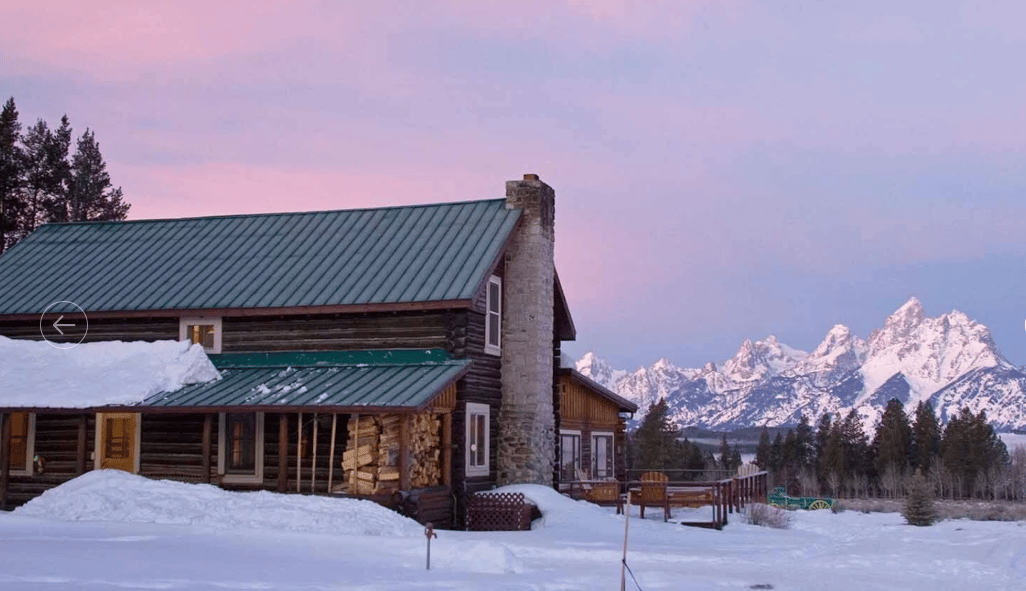
In Jackson Hole, the most coveted properties are rarely the newest ones. They are the ones that carry weight — land that has been held, worked, and passed down through generations of people who understood what they had. The Triangle X Ranch, now marking its 100th anniversary inside Grand Teton National Park, is perhaps the most enduring example of what that kind of stewardship looks like. Five generations of the Turner family have called this place home, not as a gesture toward nostalgia, but as an active, daily commitment to the land and the life it demands.
The ranch was shaped by necessity long before it was shaped by romance. John Turner, the last living third-generation member of the family, grew up in a timber cabin without electricity, sleeping in rooms that dropped to twenty below in winter. Meat came from the land — elk, deer, moose, bear — because the growing season offered little else. These were not hardships that the Turners merely survived; they were the conditions that formed a particular kind of character, one that persists in every generation that followed. Today, nineteen-year-old Bodie Turner leads pack trips deep into the Teton wilderness, making life-and-death decisions in terrain that punishes inexperience. The land has always been the teacher here.
What makes the Triangle X story relevant to the broader conversation about Jackson Hole real estate is the question it raises: what does it mean to hold land well? As Teton County has shifted from the poorest county in Wyoming to the wealthiest in the nation, the pressures on legacy properties have intensified. The kind of place-specific, multi-generational attachment that the Turners represent is increasingly rare — and increasingly valuable, not just sentimentally, but as a marker of what endures. The ranch's operating lease with the National Park Service is up for renegotiation, and the family knows their future is not guaranteed. "We are at the mercy of the government," as Kathryn Turner put it. That candor reflects a clear-eyed understanding of what legacy actually costs.
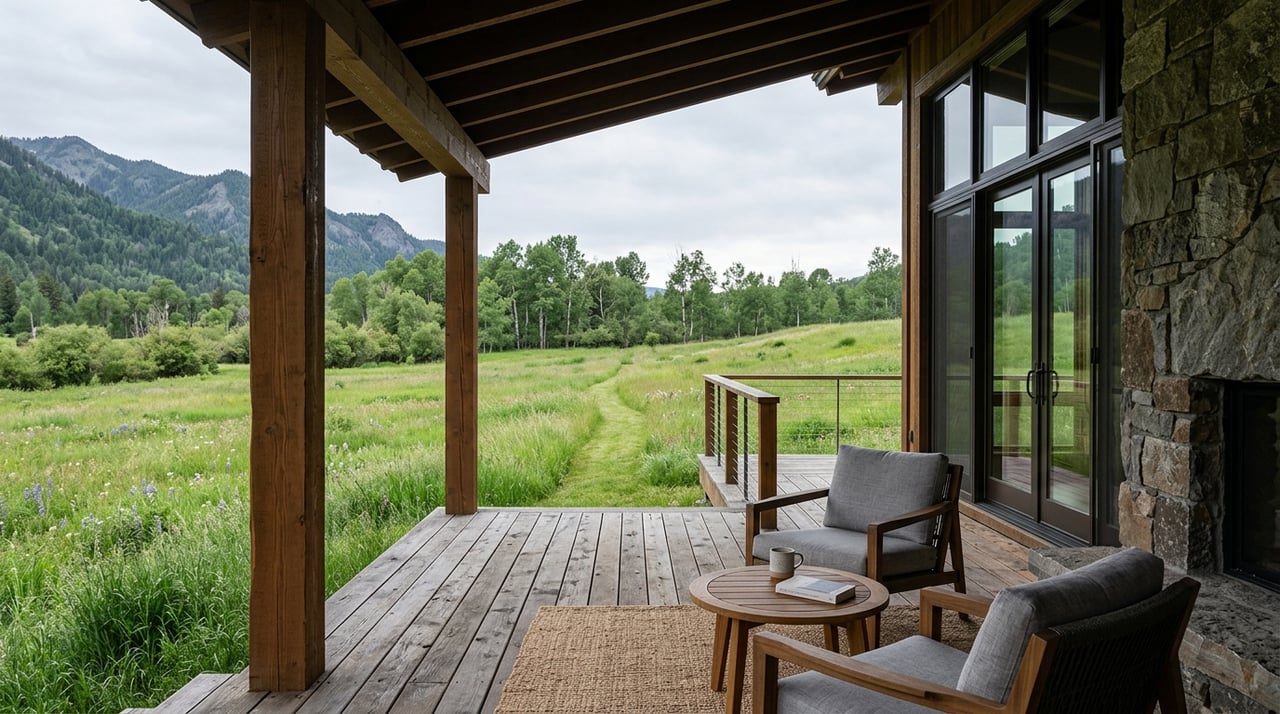
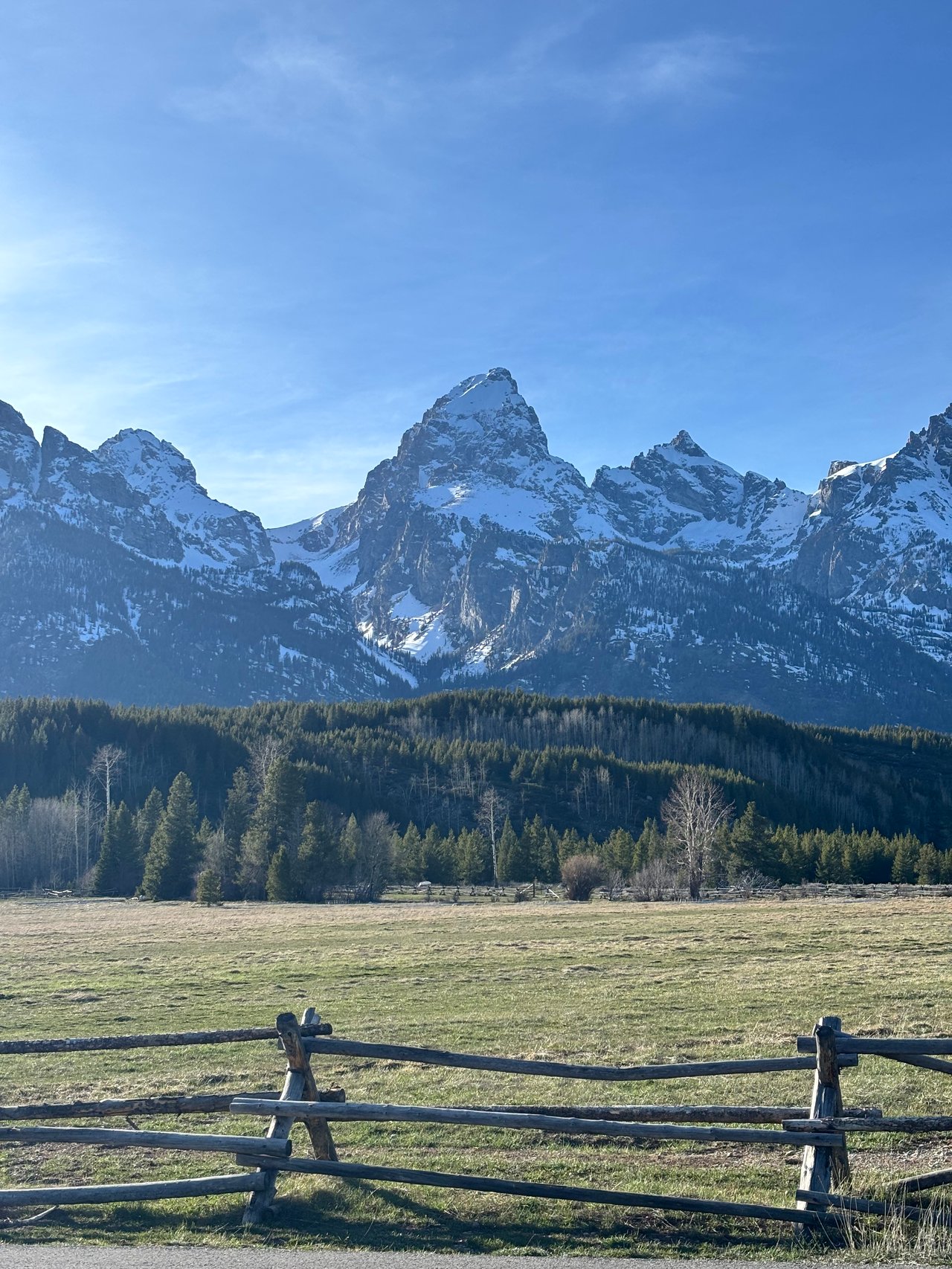
For buyers drawn to the Greater Teton region — whether in Jackson, Teton Valley, or the surrounding valleys — the Triangle X is a useful lens. The most significant properties in this market are not defined by square footage or finishes alone. They are defined by their relationship to the landscape, their history, and the question of what a buyer intends to carry forward. The families who have built something lasting here — ranchers, conservationists, stewards of working land — understood early that in a place this rare, ownership is really a form of responsibility. The view from the Triangle X cabin porch, the one John Turner stops to take in every time, has not changed in a century. That kind of permanence is what this valley, at its best, still offers.