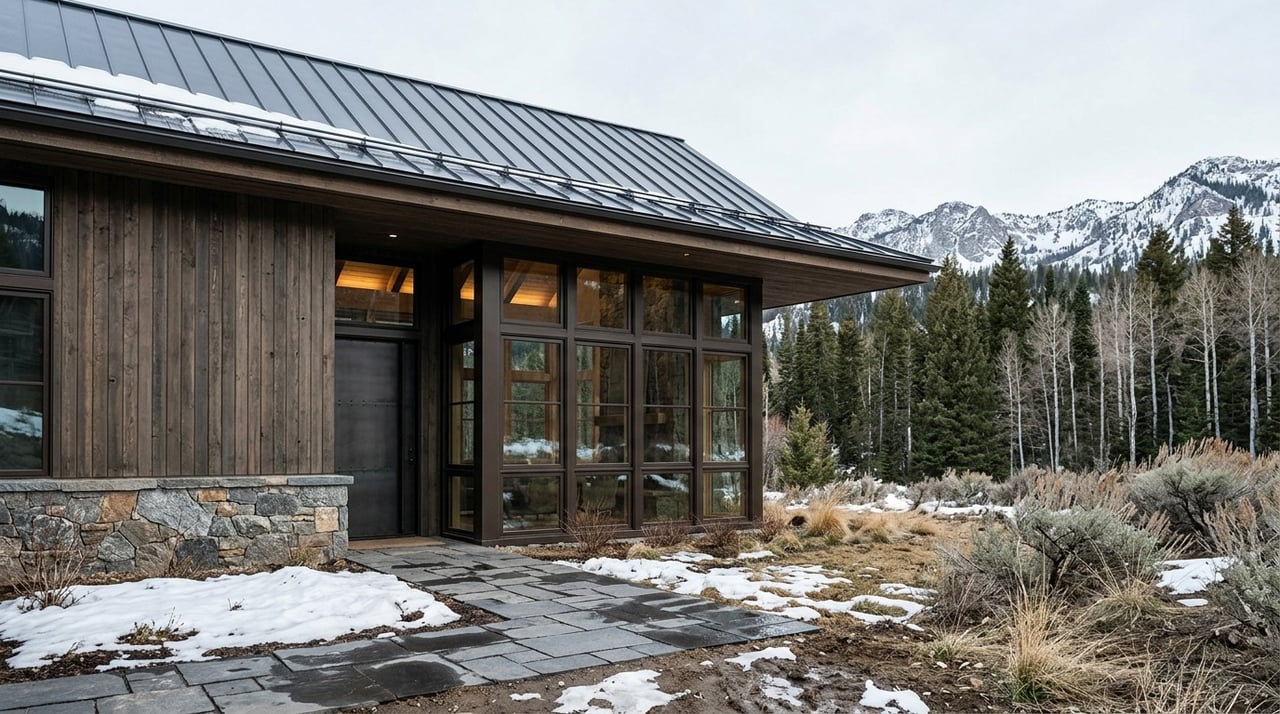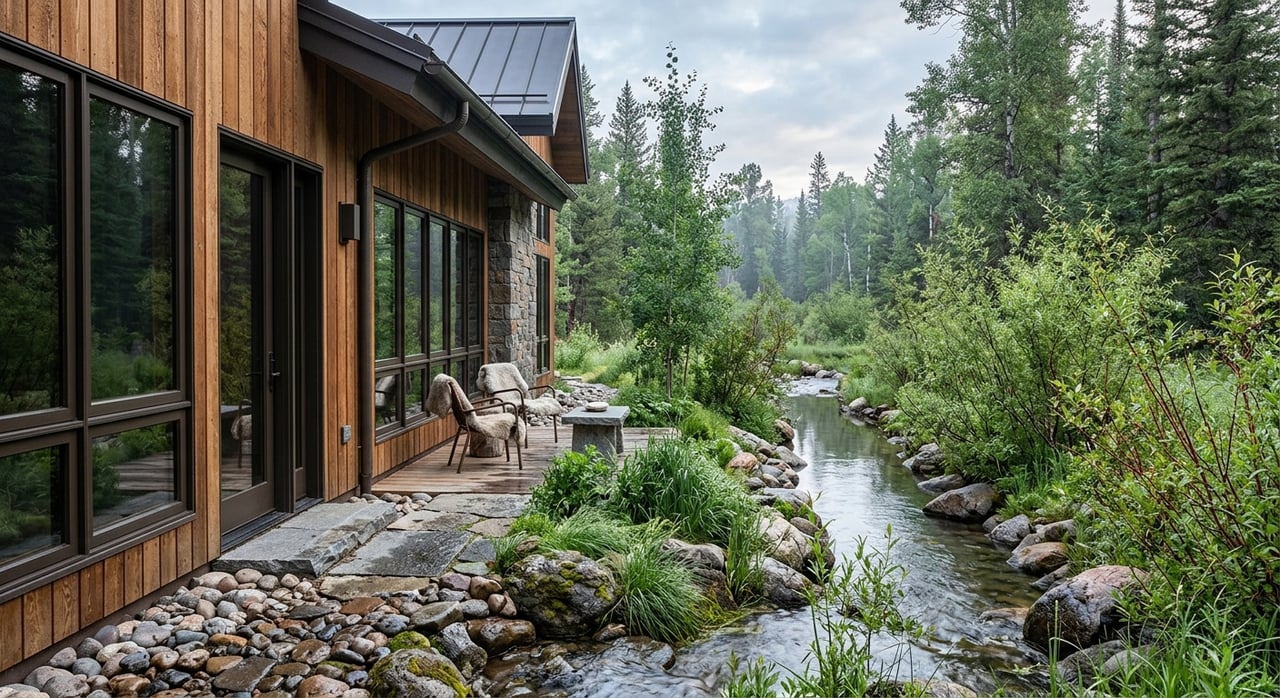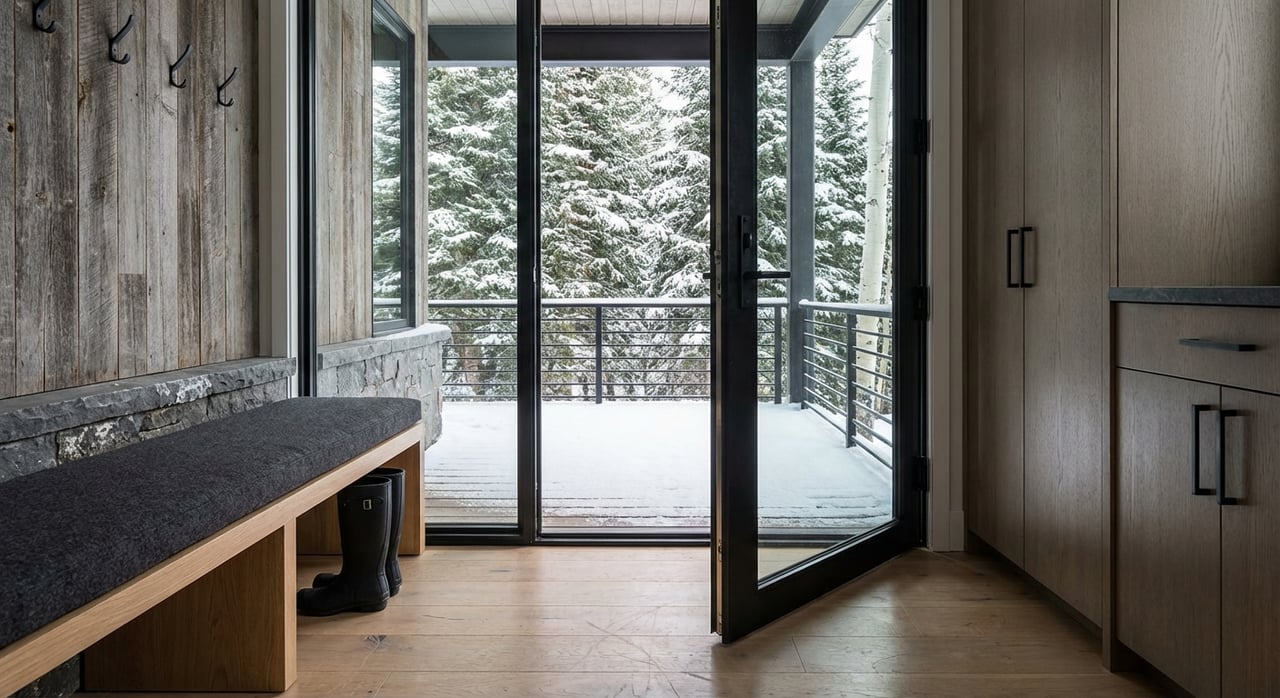
What is the real value of clicking into your skis at the back door? If you own a slopeside home in Teton Village, you already know convenience is the amenity buyers remember. Pricing it well is how you turn that advantage into real dollars without leaving money on the table. In this guide, you’ll learn how the Teton Village micro‑market works, which features create value, how to build reliable comps in a non‑disclosure state, and a clear pricing plan you can use with your agent. Let’s dive in.
Why Teton Village pricing is different
Teton Village sits at the base of Jackson Hole Mountain Resort, so the lifts, village core, and hotel services concentrate demand. Year‑round gondola and tram access keep the area active and desirable for both winter and summer, which supports pricing even outside peak ski months. You can point to the resort’s infrastructure as a durable amenity anchor, including the Bridger Gondola and summer operations.
At the county level, recent years leaned luxury with limited supply. In practical terms, that means true slopeside homes and ski‑in/ski‑out condos often sit near the top of the local price spectrum. When new luxury slopeside product hits the market, it tends to reset the benchmark for similar resales nearby. If you are pricing a resale unit, you should expect buyers to compare it directly to the newest slopeside inventory.
The value drivers buyers pay for
Slope access tiers
Buyers pay for time and convenience. You will see four practical tiers in Teton Village:
- Slopeside / ski‑in ski‑out: direct door‑to‑run access.
- Immediate walk: a few minutes to the base, valet, or gondola.
- Village center: in the core, walkable but not slopeside.
- Drive or shuttle: requires a vehicle or resort shuttle.
Research in ski markets shows proximity to ski areas raises home values, and ski‑in/ski‑out properties can command higher nightly rates and sale prices. You can reference empirical work on amenity proximity to back this up, such as a hedonic pricing study of ski‑area access. When you market or price, name the exact lift or run and verify any easements or HOA paths that make the access work.
View corridors
Views are the next big lever. Unobstructed Teton or top‑of‑tram views typically trade at a premium compared to framed mountain or treed views. Buyers also ask about permanence. If trees may grow or a nearby building could change the view, note that in your pricing narrative.
Age, finishes, and building systems
New construction and recent high‑quality remodels reduce future capital expenses, which buyers value in a resort where building and labor costs are high. Turnkey, durable finishes and mechanicals designed for higher occupancy tend to trade stronger. Industry snapshots of mountain building budgets support this dynamic, including a ski‑house cost analysis for North American resorts.
Product type and ownership structure
- Condo and condo‑hotel units draw second‑home buyers and investors who value on‑site services and rental programs.
- Deeded single‑family slopeside homes target owner‑occupiers and ultra‑luxury buyers, with fewer but often deeper bids.
- Fractional or residence‑club interests trade on usage weeks, amenity access, and specific program rules. Treat these as a separate product type with building‑level comps.
Your pricing should compare like with like. For condotel and fractional units, use building‑level sales within the same program. For single‑family slopeside, stick to the same bench or subdivision and adjust for lot, access, and view.
Rental potential and STR rules
Nightly rental potential is a major pricing input. Teton Village is one of the areas where short‑term rentals are allowed by local Land Development Regulations. Before you lean on rental income to justify price, confirm the unit’s zoning and the HOA’s rules. Start with the county’s guidance on short‑term rental rules and enforcement, then verify the specifics for your address.
When available, documented rental performance makes the case. Market overviews and STR analytics show strong ADRs and seasonal demand in Jackson Hole. Buyers respond to clear P&L statements that outline gross revenue, occupancy, and fees, as noted in recent Jackson Hole performance and trend summaries.
HOA, parking, and services
Amenity‑rich buildings with spas, valet, pools, and staffed rental desks often have higher monthly dues and FF&E or reserve contributions. Buyers will weigh convenience against net cash flow. For confidence at price, provide current budgets, reserve studies, any special assessments, parking details, and storage allocations.
How to pull comps in a non‑disclosure state
Wyoming is often treated as a non‑disclosure state, and some luxury sales in Teton County close off‑MLS. Public portals may not capture final sale prices or private transactions. The most complete sold data set will come from your agent’s MLS search and brokerage network.
Here is a practical comp workflow for Teton Village:
- Pull building‑level and adjacent‑street MLS solds for 12 to 24 months, focusing on recent trades when activity is brisk.
- For condo‑hotel or residence‑club units, include sales in the same building and program.
- For single‑family slopeside homes, use nearby lots on the same bench or subdivision and adjust for lot size, view, and true ski access.
- If a public source shows “not disclosed,” ask your agent for the MLS sold price or anonymized broker‑to‑broker comps.
- Adjust for time on market, improvements, square footage, bed/bath counts, view quality, slope proximity, rental status, and HOA obligations.
Adjustment ranges to calibrate
Use these ranges as a starting point and refine with 3 to 5 close comps:
- True ski‑in/ski‑out vs immediate walk: roughly +10% to +30%.
- Unobstructed Teton or top‑of‑tram views: roughly +5% to +25%.
- High‑end turnkey finishes vs average: roughly +5% to +20%.
- Confirmed STR status with documented ADR and occupancy: roughly +5% to +20%.
These are guideposts, not rules. Your agent’s CMA and recent building‑level sales should guide the final numbers.
A clear pricing plan for slopeside sellers
Step A: Triage the essentials
- Confirm STR eligibility for your exact address and review any HOA limits. Start with the county’s short‑term rental information, then verify details with your agent and HOA.
- Pull three years of rental history if applicable, including ADR, occupancy, and fees.
- Gather HOA budgets and reserve studies, plus any recent or pending special assessments.
Step B: Build your market view
- Ask your agent for a full MLS CMA that includes solds, pendings, and current slopeside inventory.
- Request any known off‑market or quiet sales your brokerage has tracked. These often set top‑of‑market context in Jackson Hole.
Step C: Choose a list‑price strategy
- Anchor price: Target a well‑supported comparable, then adjust for view, finish level, access, and rental status.
- Aggressive price: List slightly under the anchor, about 2 to 5 percent, to create early demand when inventory is tight.
- Stretch price: Push above the anchor only with a verified story. You will need standout access or views, top‑tier presentation, and the patience for a longer campaign.
Use current days on market and sold‑to‑list ratios from your CMA as guardrails. Calibrate expectations to your exact product type.
Step D: Market the right story
Lead with the features buyers value most:
- Name the lift or run that creates your access and include a simple map in your listing package.
- Showcase rental income and a one‑page summary of net revenue and expenses when marketing to investors.
- Highlight view quality with labeled photography and note any permanence factors.
- Provide HOA documents and reserve information so buyers can evaluate long‑term costs.
What to prepare before you list
Use this pre‑list checklist to speed up pricing and reduce surprises:
- Exact address, parcel number, and building name.
- Clear description of ski access with run and lift names, plus access photos.
- Three years of rental P&L if rented, including ADR, occupancy, and management fees.
- Current HOA budget, reserves, and any special assessment notices.
- Dates and details for capital improvements with permits or receipts.
- Three closest MLS comps with sold prices and MLS IDs.
- Notes on any known private or off‑market sales your agent can verify.
Common pitfalls to avoid
- Relying on public portals for sold prices in a non‑disclosure market.
- Assuming rental income without confirming STR zoning or HOA rules.
- Overstating ski access without verifying easements or actual door‑to‑run routes.
- Ignoring view permanence and future tree growth or building risk.
- Pricing a fractional or condotel unit using single‑family home comps.
Ready to run the numbers?
You do not have to guess. With the right comps, a clear pricing story, and a list strategy that fits your timeline, you can capture the premium your slopeside home deserves. If you want a confidential CMA, a rental performance review, and a go‑to‑market plan tailored to your address, connect with Jennifer Reichert for a private consultation.
FAQs
How much extra can true ski‑in/ski‑out add in Teton Village?
- There is often a meaningful premium. As a starting point, many slopeside properties trade about 10 to 30 percent above similar units that require a short walk, supported by research on proximity to ski amenities such as the hedonic study of ski‑area access. Your agent’s MLS comps will refine the exact number.
Do Teton views always increase a home’s value in Teton Village?
- Yes, view quality usually matters. Unobstructed Teton or top‑of‑tram views tend to command higher prices than partial or treed views. The premium depends on framing, distance, and whether the view is likely to remain open.
How do short‑term rental rules affect pricing for slopeside homes?
- STR‑eligible homes attract investor interest, which can widen the buyer pool and support price, especially with documented ADR and occupancy. Confirm your address is eligible and review HOA rules using the county’s short‑term rental guidance.
What comps should I use for a condo‑hotel or residence‑club unit?
- Focus on building‑level comps within the same program and management structure, then adjust for floor, view, and finish. Broader village comps are helpful for context but are less precise for pricing.
How do I price a unique, high‑end slopeside home with few direct comps?
- Combine nearby bench or subdivision sales with time and feature adjustments, then run a three‑scenario list test: anchor, aggressive, and stretch. Back your stretch price with verified access, views, and a premium presentation plan.