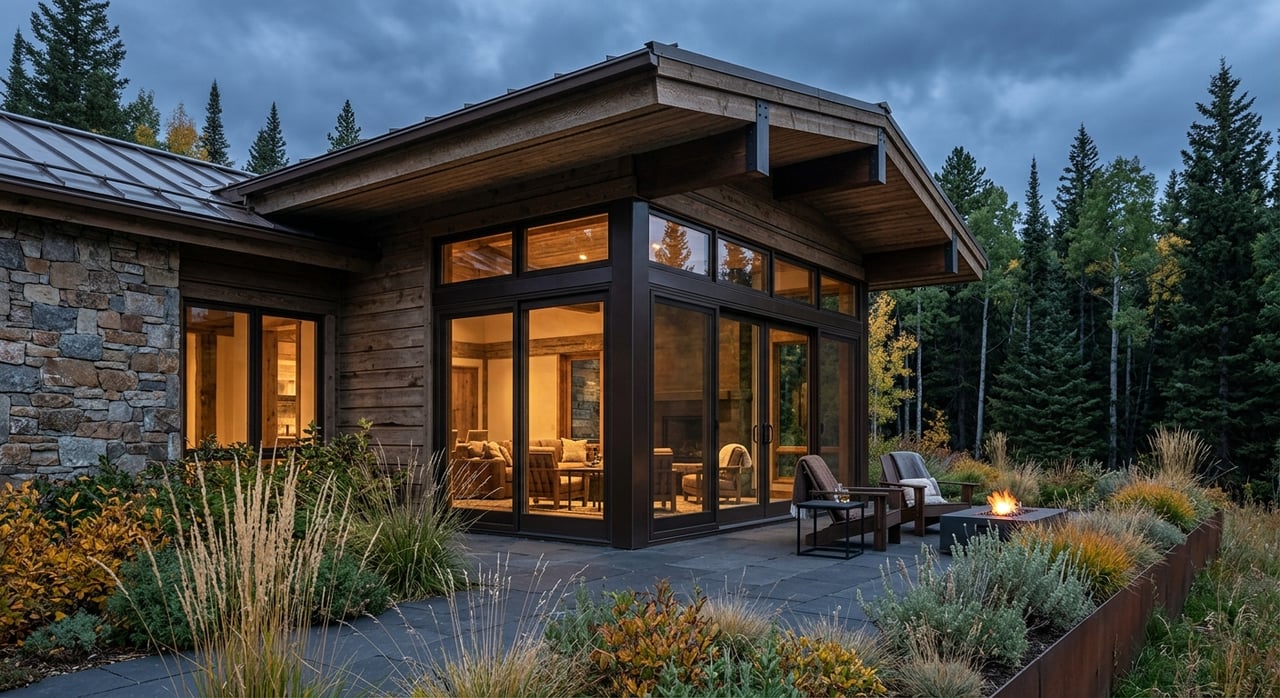
If you picture life north of Jackson as a simple extension of town, you may be surprised by how different it feels. This area lives on the edge of Grand Teton National Park, where big scenery, changing weather, and seasonal road patterns shape everyday routines in a very real way. If you are considering a home here, it helps to understand how each season affects access, recreation, and pace of life. Let’s dive in.
North of Jackson at a glance
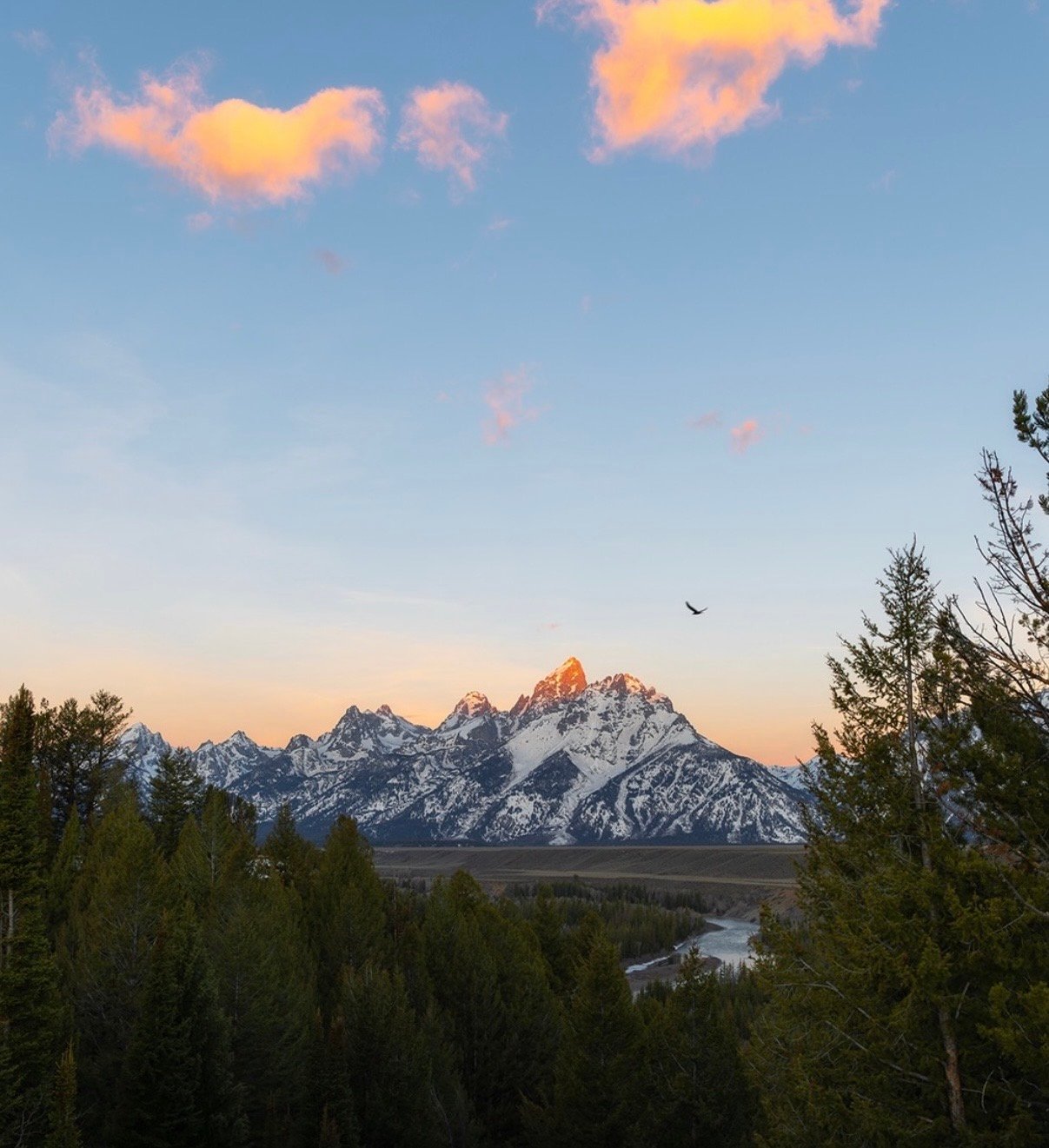
North of Jackson is best understood as a park-edge corridor rather than a typical neighborhood. Grand Teton National Park spans nearly 310,000 acres and covers the northern half of Jackson Hole, which gives this area a distinctly open, wildland character.
That setting creates a lifestyle that feels both connected and removed. The Jackson Hole Airport is located within the park, making travel access unusually convenient for such a scenic mountain setting, but daily life here is still shaped by weather, wildlife, and seasonal conditions.
Why the setting feels different
In many places, location is mostly about drive times and nearby amenities. North of Jackson adds another layer, because the surrounding landscape is not just scenic backdrop. It is a major part of how you move through the area and how the area feels day to day.
Visitor research from Grand Teton shows that wildlife and natural scenery are the top reasons people are drawn here. Peacefulness, scenic views, and solitude also stand out, which helps explain why buyers often see this part of the valley as more than a place to own property. It is a place to live inside a larger landscape.
Spring living north of Jackson
Spring arrives gradually
Spring in this corridor is a transition, not a quick thaw. In Grand Teton, April, May, and June can bring mild days and cool nights, along with a mix of rain and snow.
For you, that means spring routines may still feel partly winter-like well into late spring. Outdoor plans, travel times, and even simple errands can depend on lingering weather conditions.
Access can still feel seasonal
Spring is also a time to stay flexible. Road conditions in the park can still be affected by late-season weather, and construction in parts of the park may create added delays.
If you are considering a home north of Jackson, this is one of the clearest lifestyle distinctions from in-town living. You are not just planning around a calendar. You are planning around the season as it actually unfolds.
Summer living north of Jackson
Summer brings peak energy
Summer is when the corridor feels most open and active. Grand Teton’s most popular months are May through September, when most roads and facilities are open and access is easiest.
That broad seasonal opening changes the rhythm of daily life. Getting out for a hike, a scenic drive, or an evening on the patio feels simple, and the full visual impact of the Tetons becomes part of your normal routine.
Expect more visitors and activity
Grand Teton recorded 3,417,106 recreation visits in 2023, which gives useful context for what summer can feel like. Even if your home feels private, the broader corridor tends to be busier during warm-weather months.
For some homeowners, that energy is part of the appeal. For others, it is simply something to factor into travel timing, outings, and day-to-day movement between home and town.
Recreation becomes part of the routine
One of the key lifestyle anchors north of Jackson is the Jackson Hole Golf & Tennis Club on Spring Gulch Road. The club offers a semi-private golf course with limited daily tee times for non-members, along with an active tennis program.
Its season typically runs from early May through mid-October, which makes it a distinctly summer and early fall amenity. For buyers drawn to recreation with mountain views and a more open setting, this is one of the corridor’s clearest seasonal touchpoints.
Fall living north of Jackson
Fall often feels quieter
Fall tends to bring a calmer version of summer rather than a sudden shutdown. Golden aspens, migrating wildlife, and the sound of bugling elk give the season a strong sense of place.
For many people, this is when north of Jackson feels especially balanced. You still have outdoor access, but the pace often softens as park facilities begin winding down by October.
The lifestyle feels more spacious
If summer is the high-energy season, fall often feels more settled. Views remain front and center, but the area can feel quieter and more reflective.
That can matter if you are looking for a home that supports both recreation and a slower daily rhythm. Fall gives a strong preview of how this corridor supports peaceful living without feeling disconnected.
Winter living north of Jackson
Winter defines the corridor
Winter is the season that most clearly shapes life north of Jackson. Jackson climate normals from 1991 to 2020 show a mean January temperature of 16.2°F and annual snowfall of 78.2 inches, which helps explain why winter here is not just a backdrop. It is a major part of the lifestyle.
This is when the area feels most distinct from a conventional neighborhood. Snow, cold, and changing conditions affect not only recreation, but also visibility, road use, and travel habits.
Roads and routines change
The National Park Service notes that US 89/191 and US 26/287 are plowed and open for winter travel from Jackson to Flagg Ranch. Even so, conditions can change quickly, and winter travel may include icy roads, poor visibility, and wildlife near roadways.
That does not mean life stops. It means winter awareness becomes part of normal planning, whether you are heading into town, meeting arriving guests, or simply managing your week.
Some access points shift seasonally
Winter also changes how certain parts of the area are used. Teton Park Road is closed to vehicles from November 1 through April 30 and is groomed for skiing, snowshoeing, and hiking from mid-December to mid-March.
Moose-Wilson Road also follows a seasonal closure schedule, and many visitor facilities and all campgrounds close or reduce operations from November through April. The result is a quieter landscape, but not an empty one.
Wildlife remains part of daily awareness
A key part of winter living here is remembering that nature stays active. The National Park Service notes that black and grizzly bears are active in the park even during most winter months.
That is a useful reminder for buyers. Living north of Jackson offers unusual proximity to wild open space, and that comes with an ongoing need for weather awareness and wildlife awareness in every season.
What buyers should consider
Think beyond views alone
The views north of Jackson are extraordinary, but the lifestyle is about more than scenery. This area works best when you value a home environment shaped by open space, changing seasons, and a stronger connection to the natural setting.
That may be exactly what you want. It simply helps to go in with clear expectations about access, travel timing, and seasonal patterns.
Understand the core tradeoff
The main tradeoff is fairly simple. You gain close park proximity, expansive vistas, and a setting that feels deeply tied to the Tetons, but you also take on more day-to-day awareness around weather, wildlife, and seasonal road management than you would in a typical in-town location.
For many buyers, that tradeoff is not a drawback at all. It is the reason they choose this part of the valley.
Is north of Jackson right for you?
If you want a conventional neighborhood experience, north of Jackson may feel more dynamic and less predictable than you expect. If you are drawn to a home base where each season brings a different rhythm, it can be a remarkable fit.
This part of the valley offers a lifestyle shaped by scenic scale, outdoor access, and a strong sense of place. When you understand that four-season pattern clearly, you can make a more confident decision about whether it matches the way you want to live.
If you are exploring homes, cabins, or land north of Jackson, working with a local guide can make the process much clearer. Jennifer Reichert offers thoughtful, high-touch guidance for buyers and sellers navigating Jackson Hole’s seasonal and location-specific lifestyle.
FAQs
What is daily life north of Jackson like?
- Daily life north of Jackson is shaped by park proximity, open views, seasonal road patterns, weather changes, and regular wildlife awareness.
How does winter affect living north of Jackson?
- Winter brings cold temperatures, significant snowfall, changing road conditions, and seasonal closures on some routes, which makes planning and flexibility part of everyday life.
Is summer busier north of Jackson?
- Yes. Summer is the peak access and activity season, and Grand Teton saw more than 3.4 million recreation visits in 2023, so the broader corridor can feel much busier.
What recreation options are available north of Jackson?
- Outdoor recreation is a major part of the lifestyle, and the Jackson Hole Golf & Tennis Club is a notable seasonal anchor with golf and tennis offerings.
What should buyers know about homes north of Jackson?
- Buyers should understand that the area offers exceptional scenery and park access, along with more seasonal, weather, and wildlife considerations than a typical in-town setting.