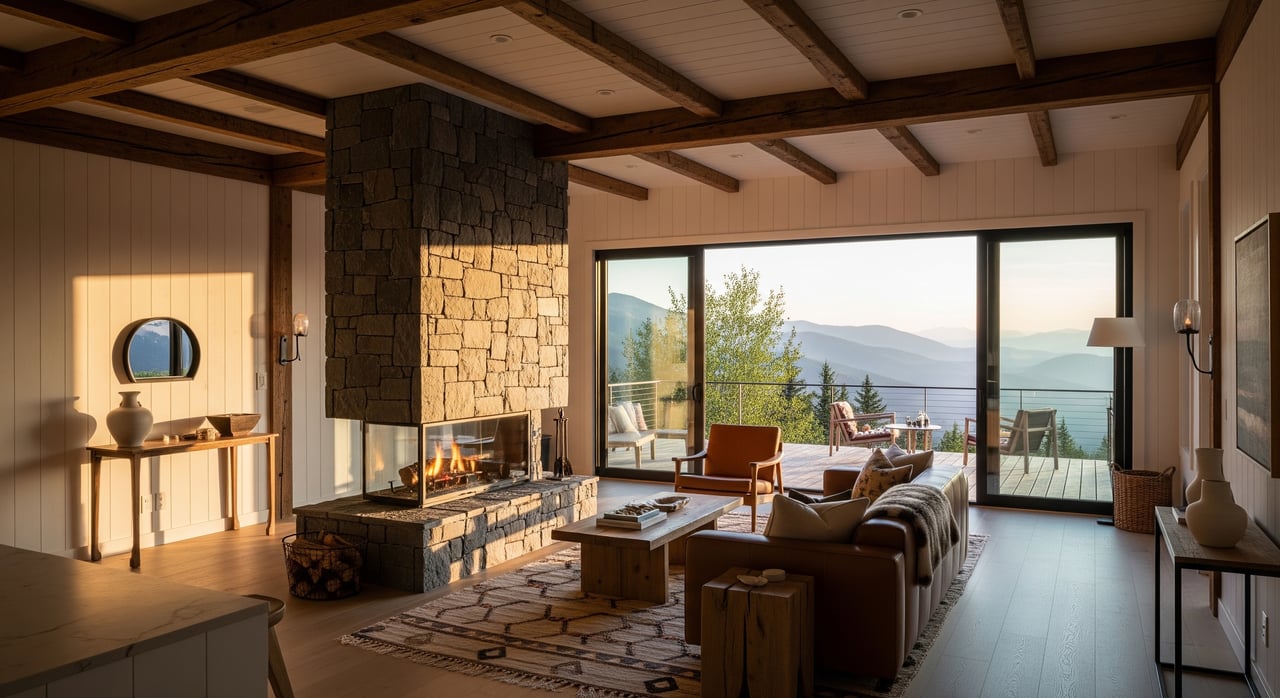
Ski weeks book fast in Teton Village, but not every condo wins top reviews or nightly rates. If you’re eyeing a place at the base of Jackson Hole Mountain Resort, smart design and thoughtful operations can set your rental apart. You want a comfortable retreat for groups, finishes that hold up to winter, and clear systems that make hosting easier. This guide walks you through the layout choices, gear storage, amenities, and must‑check rules that help your property perform. Let’s dive in.
Know the Teton Village market
Winter is the primary peak with ski demand, and summer follows with hiking, biking, and events. Guests often arrive as families, multigenerational groups, or ski parties, and they expect resort‑level comfort and cleanliness. Turnover windows can be tight in peak season, so having local cleaning and maintenance support is a real advantage. Pricing should reflect pronounced seasonality, event weeks, and school holidays.
Verify local rules first
Before you buy or remodel, confirm the following for your specific unit:
- Short‑term rental permissions, zoning, and any permitting or registration requirements in Teton County. Check occupancy, safety, and inspection standards.
- Lodging and local taxes. Register and set up proper collection and remittance with state and local authorities.
- HOA or CC&R rules. Review minimum stay policies, guest registration, on‑site management rules, locker access, and any building limits on nightly rentals.
- Insurance. Ensure your policy covers short‑term rental use, liability, and winter‑area risk.
- Health and safety. Install and maintain smoke and carbon monoxide detectors, post maximum occupancy, and meet egress requirements for all sleeping areas.
Layout and sleeping capacity that sell
Maximize usable sleeping capacity without sacrificing comfort or privacy. Larger groups pay more when everyone can rest well and access enough bathrooms. Arrange sleeping zones to work for a variety of guest mixes.
Right bed and bath mix
- Aim for about one full bath per two bedrooms, and add a half bath when possible.
- A primary suite with a private bath supports higher nightly rates.
- Include at least one flexible bedroom with king or split‑able beds, or twins that can combine.
- Bunk rooms are popular for kids and teens. Build to code with proper egress, ventilation, and safe clearances, and add under‑bed drawers for storage.
- If you use sleeper sofas or Murphy beds, choose high‑quality mechanisms and provide bedding storage and setup instructions.
Open living, defined zones
Guests expect open kitchen, dining, and living areas where everyone can gather after skiing. Keep circulation clear for boots and winter layers so the space does not feel crowded. Add a defined entry or mud zone to keep snow and grit from spreading across the home.
Sound and privacy count
Insulate between bedrooms and shared walls or floors where possible. Consider acoustic seals or upgraded door hardware to reduce sound transfer. Quiet sleeping spaces lead to better reviews after long ski days.
Safe egress in every sleeping area
Every sleeping space must meet legal egress requirements. Pay special attention to basement rooms and built‑in bunks. Verify window size, height, and access to safe exits.
Mudroom and gear storage essentials
Ski and bike gear is bulky, wet, and hard on interiors. A smart mudroom saves your flooring, speeds turnovers, and makes life easier for guests.
Mudroom blueprint
- Place the mudroom or gear zone right at the primary entry.
- Use durable, traction‑friendly flooring like porcelain tile or high‑quality luxury vinyl plank.
- Add a bench with cubbies for easy boot on and off.
- Install heated boot racks or boot dryers. These are guest favorites in winter.
- Provide heavy‑duty hooks and a dedicated shelf area for helmets, gloves, and goggles.
- Include drying racks or a drying cabinet if plumbing and power allow. If not, post clear instructions for drying gear safely.
- Offer lockable ski or snowboard storage. Exterior lockable options near the entry work well.
Shared lockers and building rules
If your building provides shared lockers, confirm size, location, and access procedures. Photograph the route and label the locker in your welcome materials. Guests appreciate clear directions about where to put skis, boots, and bikes.
Durable, low‑maintenance finishes
Mountain rentals see heavy wear from snow, salt, and gear. Choose finishes that clean quickly and withstand frequent turnover.
Floors, counters, and cabinets
- Use tile or premium LVP in entries, kitchens, and baths. Hardwood is fine in living spaces with durable finishes, but expect more wear.
- Keep bedroom carpet low‑pile and stain‑resistant, or skip carpet and use washable area rugs.
- Select quartz or concrete‑composite counters that resist stains and chips.
- Choose matte or low‑gloss cabinet finishes and hardware that won’t slip with wet hands.
Bathrooms and systems
- Install low‑maintenance shower surrounds and tile with easy‑clean grout lines.
- Use commercial‑grade plumbing fixtures and sealants to reduce maintenance.
- Equip the home with reliable, responsive heat. Smart thermostats help manage comfort and costs if allowed by your HOA.
- Add efficient, high‑capacity laundry. Front‑load stacks often save space and speed turnovers.
Furnishings and cleaning design
- Pick stain‑resistant performance fabrics and machine‑washable slipcovers.
- Buy solid, durable furniture with replaceable cushions.
- Keep trim simple and avoid hard‑to‑clean details. Choose scuff‑resistant paint in high‑traffic areas.
- Store cleaning supplies where staff can access them quickly, and keep duplicate linens for fast flips.
Amenities that win bookings
Guests compare your listing against resort‑level options. Meeting core expectations while adding a few thoughtful extras can boost ratings and repeat visits.
Core in‑home essentials
- Reliable high‑speed Wi‑Fi with clear connection instructions.
- Smart TV setup and guidance for streaming apps.
- Quality beds with protective covers and hotel‑quality linens.
- Coffee options for different tastes, plus good cookware, knives, and useful basics like oil, salt, and a few spices.
- In‑unit washer and dryer for wet gear and longer stays.
Ski‑specific add‑ons
- Heated boot racks or dryers, ski racks with locks, and a defined place for boots.
- Clear guidance for resort access points, shuttle details if available, and where to rent or tune equipment.
Family and convenience items
- By request, a pack‑and‑play, high chair, and child‑friendly dinnerware.
- Luggage racks, extra hangers, and blackout curtains in bedrooms.
- Humidifiers for dry winter air if needed.
Guest orientation and safety tech
- A digital welcome book with a printed backup. Include check‑in and check‑out steps, appliance instructions, community rules, parking details, and emergency contacts.
- Keyless entry for secure, flexible arrival. Post how to use it and who to call if issues arise.
- Smart thermostat controls with clear limits, plus smoke and carbon monoxide detectors and a posted evacuation map.
Differentiators and upsells
- Coordinate optional services like grocery pre‑stock, gear delivery, ski valet, or local guiding through approved partners.
- Pet packages can work if your HOA and insurance allow pets. Set clear rules and fees.
Operations and revenue tips
The best‑designed property still needs smooth operations and pricing tuned to Jackson Hole’s calendar. Build systems that protect your time and margins.
Turnover planning
During peak season, back‑to‑back turnovers are common. Give housekeepers a clear checklist and stock duplicate linens to reduce delays. Hard surfaces, labeled storage, and easy‑to‑reach cleaning supplies shorten flip times and protect your finishes.
Pricing and seasonality
Expect pronounced peaks in mid‑winter and the heart of summer. Set minimum stays for holidays and major events when appropriate. Consider dynamic pricing tools or a local manager who knows how to time price moves and maintain occupancy.
Management approach
Local property managers offer guest communication, listing optimization, and vendor access for cleaning and maintenance. Compare fee structures and included services to your needs and desired level of involvement. If you self‑manage, line up backup cleaners and 24/7 maintenance contacts for peak months.
Maintenance and capital planning
Budget for accelerated wear from cold, moisture, and UV exposure. Plan for routine HVAC checks, roof and seal maintenance, and snow‑melt needs for entries and decks. Track replacement schedules for high‑touch items like mattresses, sofa cushions, and small appliances.
Insurance and house rules
Confirm your policy covers short‑term rental use and liability. Clear house rules about occupancy, noise, parking, hot tub use, and pets reduce disputes and protect your standing with the HOA and neighbors.
Pre‑purchase checklist for Teton Village STRs
Ask targeted questions before you buy so you understand both the upside and the obligations.
- Regulations and taxes: Is nightly rental use allowed for the unit and building, and what permits or registrations apply? How are state and local lodging taxes handled?
- HOA and building: What are the rental rules, fees, and any current or upcoming special assessments? Are ski lockers provided and how are they accessed?
- Location and access: How close is the unit to lifts, shuttle stops, and guest parking? How easy is gear loading and unloading?
- Layout and capacity: What is the bed and bath count, and can you add a bunk room or half bath to increase flexibility while meeting code?
- Mechanical systems: What is the age and capacity of heating and hot water systems, especially for high‑occupancy days?
- Operations: Who will clean and maintain the unit in peak season, and do you have backup vendors?
- Financials: If the unit is already a rental, review occupancy, ADR, reviews, and cancellation patterns. Identify upgrade costs needed to meet guest expectations.
Designing a standout vacation rental in Teton Village comes down to getting the fundamentals right. Create comfortable sleeping zones, build a bulletproof mudroom, choose durable finishes, and deliver the amenities and guidance guests expect in a resort setting. Add local operations support and smart pricing, and you position your condo or townhome to perform through winter peaks and summer traffic. If you want help finding the right building, evaluating HOA rules, or planning upgrades, connect with Jennifer Reichert for local, high‑touch guidance from offer to first booking.
FAQs
What bed and bath ratio works best for a Teton Village rental?
- Aim for about one full bath per two bedrooms, add a half bath if possible, and include at least one flexible bedroom setup for different guest mixes.
How should I design a ski‑friendly mudroom for Jackson Hole winters?
- Place it at the entry with tile or quality LVP, add a bench, heated boot dryers, sturdy hooks, helmet shelves, and lockable ski storage to protect interiors and speed turnovers.
What finishes hold up to heavy winter wear in mountain rentals?
- Durable floors like tile or LVP, quartz or composite counters, commercial‑grade fixtures, scuff‑resistant paint, and performance fabrics extend lifespan and reduce maintenance.
Which in‑home amenities do Teton Village guests expect near the resort?
- Reliable Wi‑Fi, smart TV setup, quality beds and linens, well‑equipped kitchen, in‑unit laundry, clear parking and access info, and ski‑specific storage and drying options.
What short‑term rental rules apply in Teton County, Wyoming?
- You must verify zoning and STR permissions, meet safety and egress standards, register and collect lodging taxes, and follow any HOA restrictions for your specific building.
Should I hire a local property manager for a Teton Village condo?
- A local manager can handle guest communication, dynamic pricing, cleaning, and maintenance during peak seasons, which helps protect reviews and revenue if you prefer hands‑off hosting.