Picture this: you click into your skis, glide a few turns, and roll right onto the Bridger Gondola before most people have finished breakfast. If you are considering a second home at the base of Jackson Hole Mountain Resort, this is daily life in Teton Village. You want clear answers on access, seasonality, costs, rentals, and logistics. This guide breaks it down so you can see if the lifestyle fits your goals and your calendar. Let’s dive in.
Ski access and daily rhythm
Teton Village sits at the base of Jackson Hole Mountain Resort, about 20 to 25 minutes by car from the town of Jackson. The base is around 6,300 feet and the summit is about 10,450 feet, which translates into significant vertical and terrain variety. Many homes and residences are true ski-in/ski-out, and proximity to the lifts is a major value driver.
On a typical winter morning, you walk or shuttle a short distance to the gondola or the aerial tram for early laps. Many owners enjoy private lockers, valet gear storage, or on-site services through their building or hotel. Midday, you can break for lunch at mountain lodges or head back to the Village for a quick bite. Afternoons flow into après around base-area patios, lounges, and fire pits. Evenings mean a quiet dinner at home, a private chef, or refined hotel dining nearby.
Winter: the peak season
Winter is prime time for both owner use and rental demand. The resort typically runs from late fall into early spring, with exact dates shifting based on conditions. Natural snowfall is strong on average, and snowmaking supports lower elevations.
Expect higher traffic on holiday weeks and select peak weekends. Weekdays are often quieter, which many second-home owners love. If you plan to rent, most revenue concentrates between December and March.
Summer and shoulder seasons
When the snow melts, you still have a full menu of activities. You can hike, ride the tram for sightseeing, mountain bike on lift-served trails, horseback ride, fish and raft nearby rivers, and reach Grand Teton and Yellowstone with ease. Summer has energy, yet some cultural and commercial activity shifts toward the town of Jackson.
Spring and late fall are shoulder seasons. Lift operations wind down and many Village businesses reduce hours. This is when many owners schedule maintenance, upgrades, or quiet personal visits.
Property options and services
You will find a mix of luxury condos, hotel-linked residences, townhomes, and a limited number of single-family homes. Inventory near the lifts is tight, and competition for premier locations is common.
- Condominiums and fractional residences offer convenience, amenities, and often access to rental programs. Examples in the Village include buildings connected to full-service hotels.
- Townhomes and single-family homes trade at a premium for private settings, views, and direct trail access.
- New development is limited. Resale opportunities in prized spots can move quickly when priced well.
Carrying costs to plan for
Ownership here is experience-rich and service-forward, but ongoing costs reflect a high alpine, resort setting. Budget for the following and ask for documentation on every line item.
- HOA and association dues. These can be significant. They may cover building upkeep, snow removal, amenities, concierge, and reserves. Confirm what is included.
- Property taxes. Teton County rates apply and vary by assessed value and improvements.
- Utilities and heating. Expect higher winter usage and costs in a cold climate.
- Snow removal and winterization. Driveway plowing, roof snow management, and systems checks are common. If you are away for long stretches, plan for seasonal winterization.
- Insurance. Work with a carrier that understands mountain conditions, including wind, snow load, and liability. If relevant, review requirements tied to vacancy periods and any site-specific flood or avalanche considerations.
- Property management. Many owners hire professional managers for maintenance, housekeeping, check-ins, or guest support. Build a realistic service budget.
Short-term rentals: what to know
Many Teton Village properties achieve premium nightly rates in winter, with variable demand in summer and shoulder months. If rental income is part of your plan, do your homework up front.
- Confirm regulations. Teton County and the Town of Jackson have rules and licensing for short-term rentals. HOA documents may restrict or structure what is allowed. Rules change, so verify the current policies for both the county and your specific building or neighborhood.
- Understand taxes. Lodging, sales, and transient taxes typically apply. Owners and managers are responsible for compliance and remittance.
- Use real data. Request historical occupancy and revenue figures for comparable units, including seasonal variations. Tie your projections to documented performance, not assumptions.
Logistics that make life easier
Getting around and living well in a mountain base area takes a bit of planning. The good news is the Village is designed for convenience.
- Parking and access. Many luxury units include garages. Public base parking can be limited during peak times. Winter road conditions can extend the 20 to 25 minute drive to Jackson.
- Airport access. Jackson Hole Airport is the primary commercial gateway. Plan for seasonal flight schedules and winter weather buffers.
- Internet and utilities. Most buildings have reliable service. Confirm bandwidth and redundancy if you plan to work remotely or stream often.
- Medical and essentials. Full hospital services and major grocery options are in Jackson. Expect a 20 to 30 minute drive for routine appointments or larger shopping trips.
- Schools. Full-time families use Teton County School District schools centered in Jackson. Consider commute times and enrollment logistics if you plan year-round residency.
Wildlife, safety and stewardship
You share the region with moose, elk, deer, black bears, and grizzly bears. Local ordinances often require bear-proof trash and proper food storage. Plan for wildfire awareness and vegetation management, especially in late summer. For hillside or slope-adjacent properties, ask about avalanche exposure and mitigation practices around the resort.
Simple steps like smart locks, remote monitoring, and a local property manager can reduce vacancy risks. Ask about emergency response coverage and winter staff availability for repairs.
Who Teton Village fits best
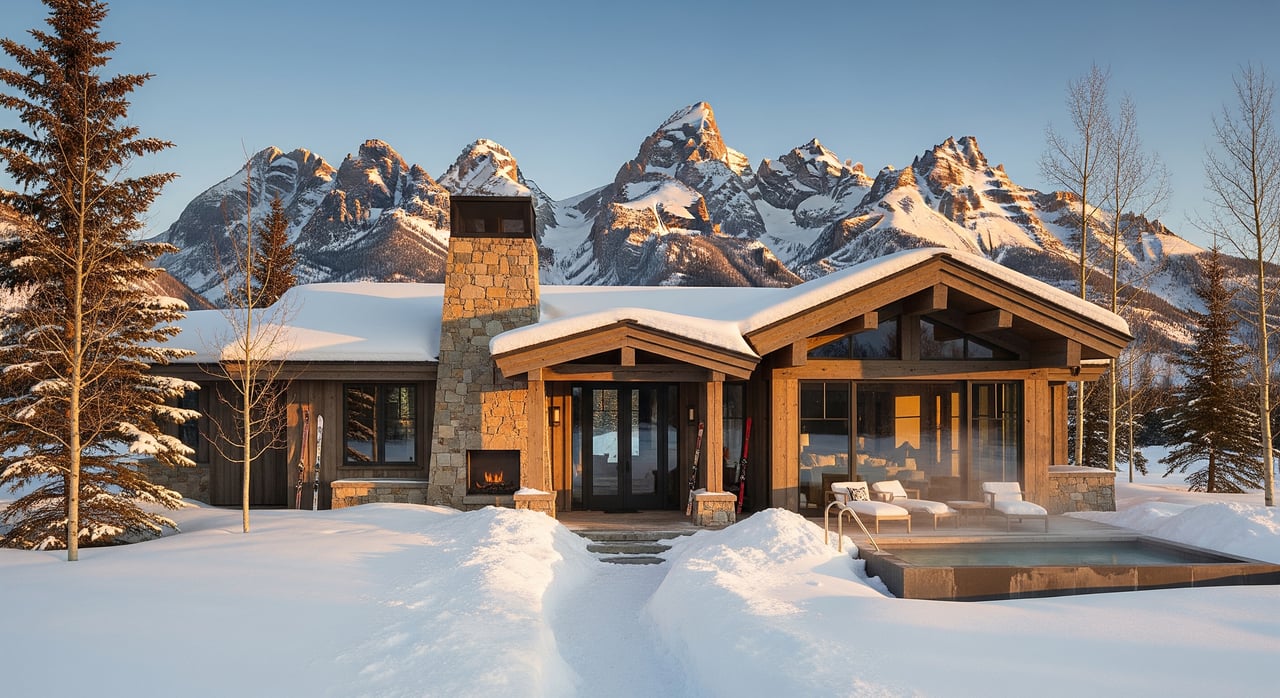
Teton Village is ideal if you prioritize immediate lift access and a compact, amenity-rich base experience. You can wake up, ski, and be back at your fireplace in minutes. If you enjoy a lively après scene steps from home, plus refined hotel services, the Village delivers.
If you want a broader dining and cultural scene most nights, you will likely split time with Jackson. Many owners love the balance: sport and convenience in the Village, and more options in town a short drive away.
How to evaluate a specific home
Approach your search with a practical checklist and request documents early. A clear file helps you compare properties and avoid surprises after closing.
- Validate ski access. Ask for maps that show terrain, lift proximity, trail easements, and any required walks or road crossings. “Ski-in/ski-out” can vary by building and topography.
- Get the full cost picture. Request HOA budgets and reserve studies, recent tax bills, historical utility statements, insurance quotes, and sample invoices for snow removal and winterization.
- Confirm rental path. Verify county and HOA rental rules, needed permits, and current tax obligations. Request rental histories for comparable units across winter, summer, and shoulder seasons.
- Check service reliability. Confirm heating and water systems, internet speed, road-plowing agreements, and on-call maintenance availability. Ask about emergency coverage during storms.
- Review hazard exposure. Request hazard maps for avalanche and flood zones if relevant. Obtain insurance quotes that reflect local risks and any mitigation.
- Think about resale. This is a limited-supply, high-end market. Well-positioned homes close to lifts tend to hold value, but liquidity can be seasonal and sensitive to travel trends and broader economic shifts.
The bottom line
Owning a ski home in Teton Village gives you a front-row seat to Jackson Hole’s terrain with a tight circle of services designed for mountain living. The tradeoff is realistic planning around seasonal flow, carrying costs, and local rental rules. If you want a lock-and-leave base with swift gondola access and resort-level amenities, it is hard to beat.
Ready to explore options that match your lifestyle and calendar? Connect with Jennifer Reichert for local guidance tailored to how you plan to use your home. Let’s make our hometown yours and map a strategy that fits the way you want to live and play.
FAQs
What months are best for owner use and rentals in Teton Village?
- Winter is the peak season for both personal use and rental revenue, with the strongest demand typically from December through March. Summer has steady activity, and shoulder seasons are quieter.
How close are medical services and groceries to Teton Village?
- Major medical care and full hospital services, along with larger grocery options, are in the town of Jackson about 20 to 30 minutes away depending on road conditions.
Can I count on true ski-in/ski-out at Teton Village properties?
- Many residences are genuinely slopeside, but access varies. Some locations involve a short walk, road crossing, or shuttle, so always request maps and confirm easements.
What do HOA dues usually cover in the Village?
- Dues often include exterior maintenance, snow removal, common-area amenities, concierge services in some buildings, and reserves. Ask for a written breakdown of inclusions.
What should I know about wildlife and safety near Teton Village?
- Wildlife is common, including moose and bears. Follow local rules for bear-proof trash and food storage. If relevant, review wildfire safety steps and any site-specific avalanche considerations.