Thinking about placing a conservation easement on land north of Jackson, or considering a property that already has one on title? You are not alone. In Teton County, easements are a trusted way to protect wildlife habitat, open space, and scenic views while keeping land in private hands. In this guide, you will learn what a conservation easement is, how it works in our local market, the process and costs, and what to watch for as a buyer or seller. Let’s dive in.
What is a conservation easement
A conservation easement is a voluntary, legally binding agreement that limits specific uses of private land to protect defined conservation values. A qualified land trust or government agency holds and enforces the easement. Most easements are designed to last forever and are recorded in county land records, so they bind all future owners.
Typical easements spell out what is allowed and what is not, such as building envelopes, agricultural use, vegetation management, and whether any public access is required. The holder monitors the property over time, using a baseline report and periodic site visits.
Why it matters north of Jackson
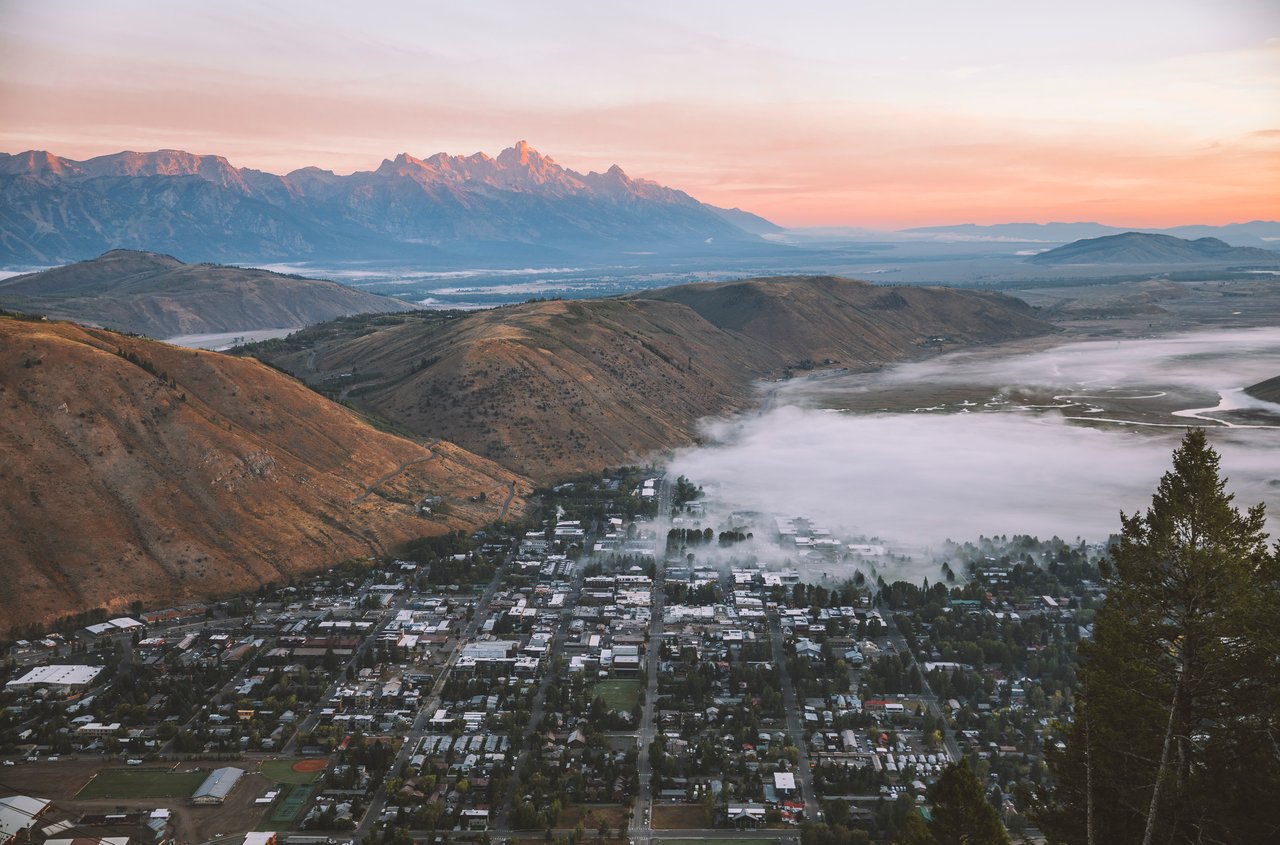
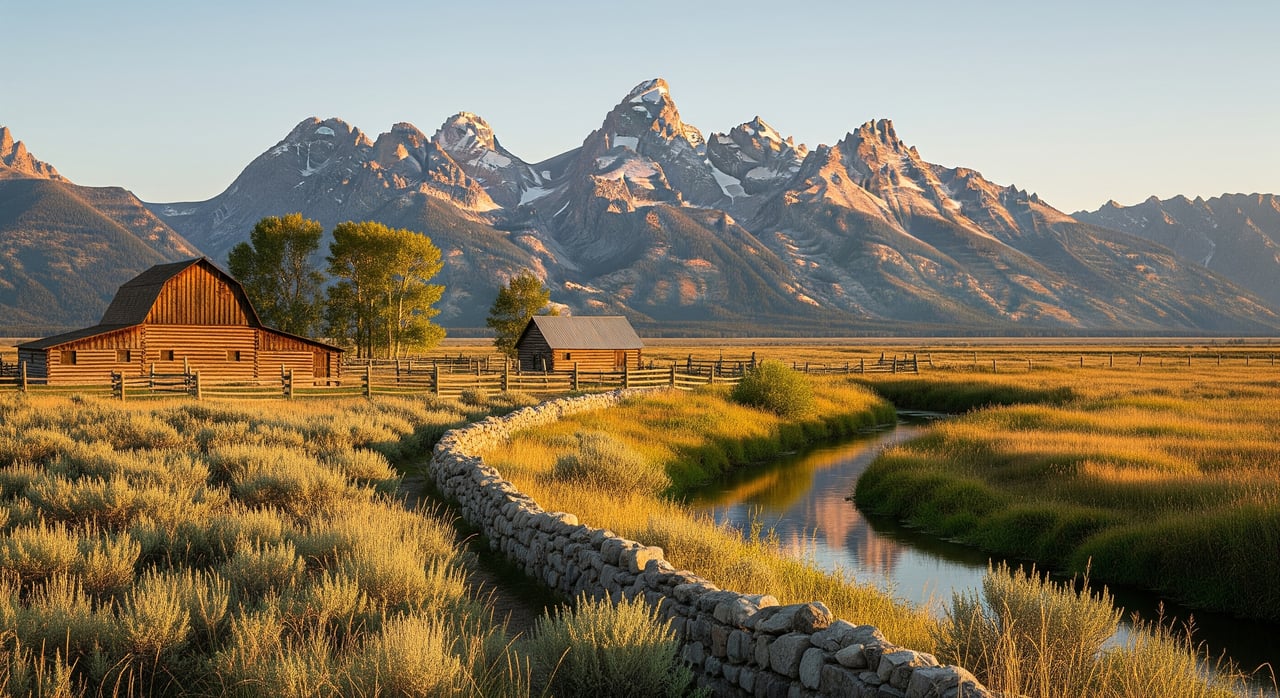
North of Jackson, land often supports key wildlife migration routes, riparian areas, and big-sky views. Easements here commonly focus on wildlife-friendly management, limits on new structures, and siting homes to protect views and dark skies. In a high-amenity market like Teton County, easements are a familiar tool used by ranch families and conservation-minded owners alike.
What you can still do
Your rights depend on the exact deed language, but many easements allow you to:
- Build within a negotiated building envelope.
- Continue agricultural uses such as grazing and haying if reserved.
- Manage resources, including fencing, water use, or sustainable timber, if specified.
- Lease land for agriculture or recreation when the deed allows.
- Sell or transfer the property. The easement runs with the land.
Common restrictions
Common limitations include:
- Subdivision or creation of additional residential lots.
- New structures or commercial uses outside approved envelopes.
- New roads, surface disturbance, or mining where restricted.
- Vegetation removal beyond a management plan.
Value, resale, and taxes
Easements can change how buyers view a property. The market impact is case specific. In our area, some buyers value protected views and quiet, while developers value additional building or subdivision rights. Appraisers use the before-and-after method to determine an easement’s value for donation purposes.
If you donate a qualified easement, you may be eligible for a federal charitable deduction, subject to detailed rules and limits. Wyoming has no state personal income tax, so there is no state income tax credit to consider. Property taxes can be affected if an easement lowers fair market value, but you should confirm details with the Teton County Assessor’s Office.
Loans and lender consent
If you have a mortgage, your lender typically must consent to the easement because it changes the collateral. Lenders may require subordination language or other documents. If you buy or refinance property with an existing easement, choose a lender and appraiser who understand conservation easements.
The process and timeline
Creating a conservation easement is a step-by-step process that can take several months to a year or more depending on complexity and funding.
- Initial conversation: Align goals with a land trust or public program and assess feasibility.
- Preliminary valuation: Explore potential easement value and impacts.
- Term negotiation: Define conservation purposes, reserved rights, and building envelopes.
- Baseline documentation: Prepare photos, maps, and ecological descriptions.
- Title and survey: Confirm legal descriptions and boundaries.
- Qualified appraisal: Needed if you plan to claim a federal charitable deduction.
- Legal drafting: Attorneys finalize the deed and related documents.
- Closing and recording: Execute, record the easement, and fund stewardship as required.
- Monitoring: The holder sets inspection schedules and keeps records.
Buyer due diligence
If you are buying land north of Jackson, read the full easement deed early. Confirm:
- The exact restrictions and any building envelopes.
- Whether agricultural use, fencing, or timber management are allowed.
- Lighting, landscaping, and design rules that protect views or dark skies.
- Any requirements for public access, if applicable.
- Lender and insurance implications for your purchase.
Request the baseline documentation report and ask for recent monitoring reports so you understand compliance history.
Seller planning checklist
If you plan to donate or sell a conservation easement, or sell land already subject to one, start with clarity:
- Define your conservation goals and the rights you want to reserve.
- Confirm water and mineral rights and how they will be addressed in the deed.
- Talk to your lender about consent and timing.
- Get a realistic cost and valuation estimate, including appraisal and stewardship.
- Coordinate early with your CPA, appraiser, and attorney.
Costs and stewardship
Expect transaction costs that can include survey, legal fees, appraisal, baseline documentation, title work, and recording fees. Most holders require a stewardship fund or endowment to support future monitoring and enforcement. If a program buys development rights, the funding structure and who pays which costs can differ.
Public access choices
Easements do not automatically create public access. Access is negotiated. Many local landowners choose to conserve habitat and scenery while keeping private use. Others create limited public access where it aligns with their goals.
Water, wildlife, and lights
Local easements often address:
- Wildlife corridors: Seasonal limits on disturbance or siting to support elk, moose, and other species.
- Water rights: Wyoming treats water as a separate property interest. Easement deeds should state whether rights are conveyed or reserved and how they are managed.
- Dark skies: Restrictions on exterior lighting and home size or placement to protect night skies and viewsheds.
When changes are possible
Perpetual easements are designed to last. Changes are rare and typically require legal or judicial action. If a court allows termination because conservation purposes have become impossible or impractical, proceeds are usually directed to conservation purposes.
Local resources and next steps
In Teton County, your core contacts typically include a local land trust, the Teton County Planning Department for zoning and subdivision questions, and the Teton County Assessor’s Office for assessment questions. For funding on working lands or wetlands, explore federal programs such as the Agricultural Conservation Easement Program through the USDA NRCS. You should also engage Wyoming-based professionals experienced with conservation easements, including attorneys, qualified appraisers, and CPAs.
Ready to talk
If you are weighing an easement or evaluating a property that has one, you deserve clear, local guidance. Our team works with conservation-easement properties across Jackson Hole and understands how restrictions, building envelopes, and stewardship shape value and lifestyle. Let’s align your goals with the right strategy and connect you with the right professionals.
Start a confidential conversation with Jennifer Reichert to explore your options north of Jackson.
FAQs
What is a conservation easement in Teton County
- A voluntary, recorded agreement that limits certain land uses to protect conservation values, held by a land trust or government and binding on future owners.
Do easements always require public access
- No. Access happens only if the deed requires it. Many local easements preserve private use while restricting development.
Can I still build on conserved land
- Often yes, within a negotiated building envelope and subject to deed limits. The exact rights are defined in the recorded easement.
How do easements affect property value and taxes
- They can lower development value yet increase appeal for conservation-minded buyers. Federal deductions may apply to qualified donations, and property assessment may change.
What costs should I expect to set up an easement
- Typical costs include appraisal, legal fees, survey, baseline documentation, title and recording, plus a stewardship fund for monitoring.
Will my lender need to approve a new easement
- Usually yes. Most lenders require consent because an easement changes the collateral and can affect underwriting.
Can an easement be modified or terminated later
- It is difficult and rare. Changes generally require legal action, and any termination proceeds typically must go toward conservation purposes.