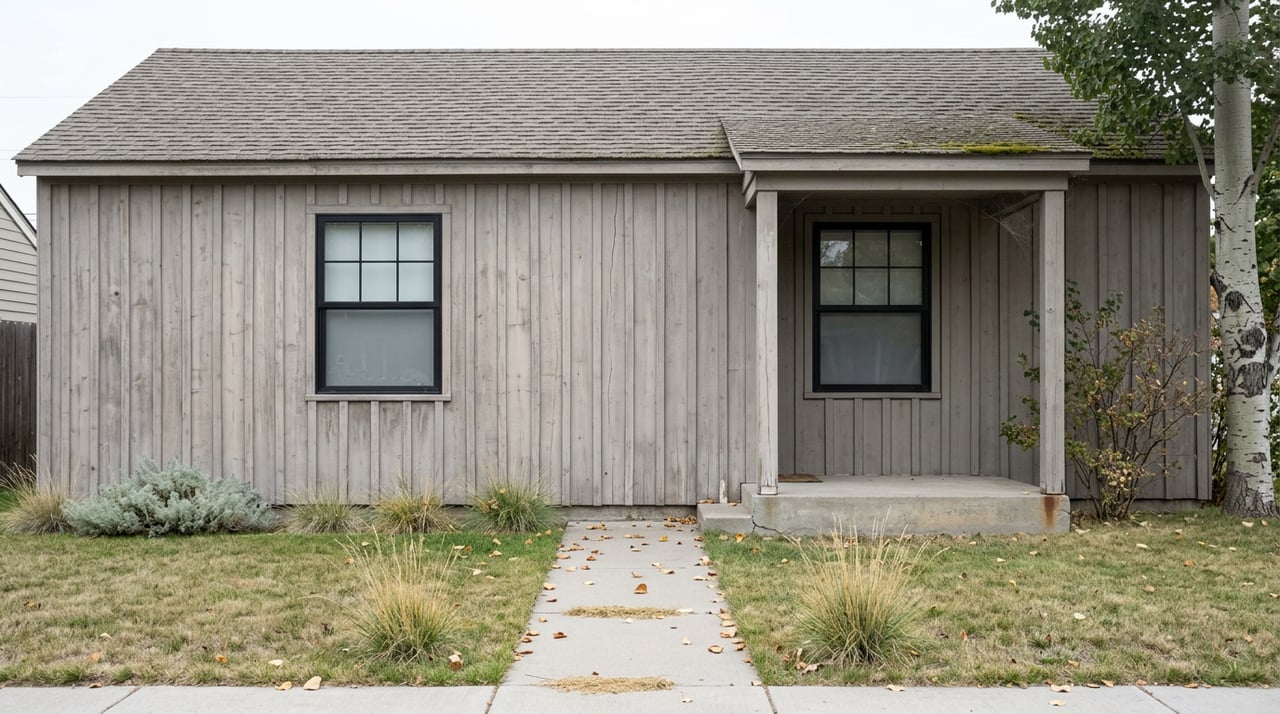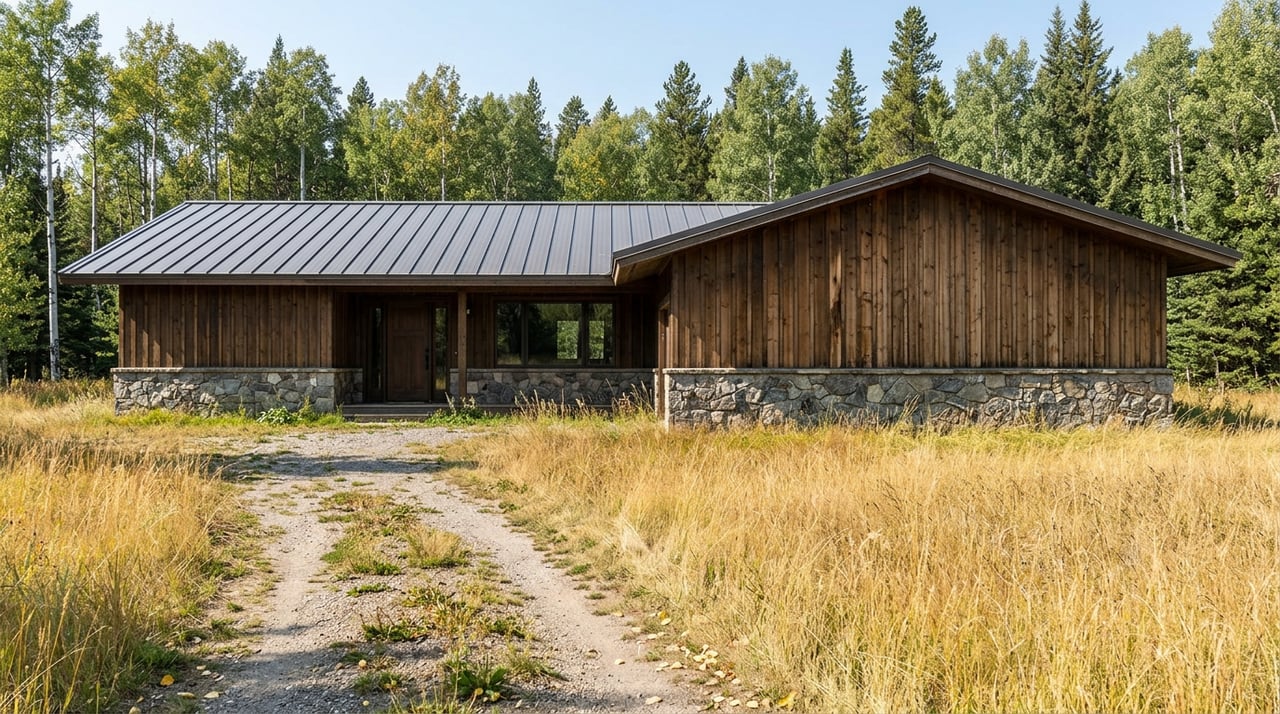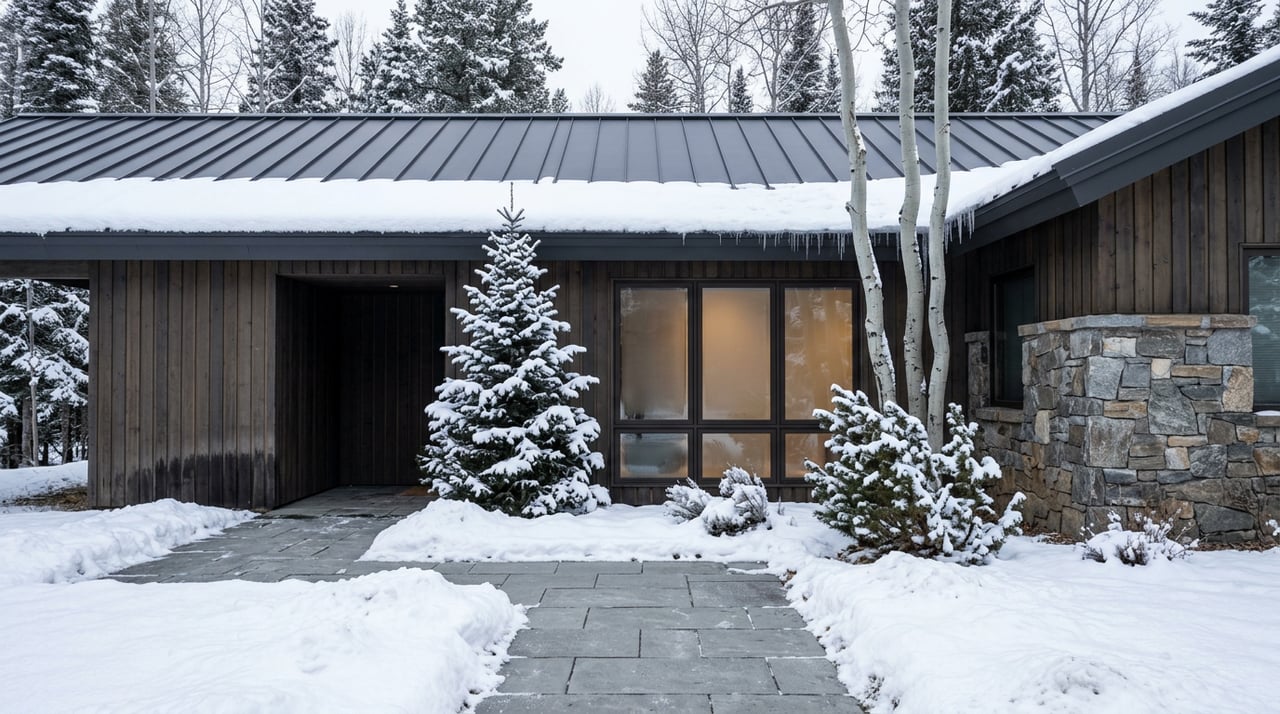
Two one-bedroom condos come on the market in Teton Village within the same week, both listed near $900,000, both with a mountain view from the deck. A buyer comparing them side by side sees the same price, the same square footage, and assumes the ongoing cost of owning either one will land somewhere close to the same number.
It won't. And the reason has nothing to do with the kitchen finishes.
Teton Village's condo stock spans everything from original 1960s buildings to newer condo-hotel residences, with ski-access homes in Granite Ridge and the private Shooting Star club filling out the upper end. That range in construction era is the single biggest driver of what a unit actually costs to insure and carry, and it rarely shows up anywhere on the listing sheet. It shows up on the master policy declarations page and the resale certificate, documents most buyers only read after they're already under contract.
The Insurance Line That Doesn't Match the Comps
As of mid-2026 rate data, a typical HO-6 condo policy statewide in Wyoming runs $350 to $700 a year. In Jackson Hole and Teton Village specifically, that same coverage often runs $800 to $1,500 a year or more, driven by high replacement values and the fact that so many units are used as income property during ski season. That gap alone is worth knowing before you assume your monthly carrying cost will track a national average.
But the bigger variable sits one layer up, in the HOA's own master policy. Wyoming condo associations typically carry a "bare walls-in" master policy, meaning the building's insurance covers only the structural shell and leaves everything from drywall inward in the individual owner's hands. The difference between a bare-walls-in master policy and an all-in one can change what your personal HO-6 policy needs to cover by tens of thousands of dollars, sometimes the difference between needing a $30,000 dwelling limit and needing $60,000. Two condos in two different buildings, same square footage, can require very different personal coverage depending entirely on what the HOA's master policy already handles.
The standard advice for a Wyoming condo owner is to carry at least $30,000 in loss assessment coverage, the part of your policy that reimburses you if the HOA passes along a bill after a claim exceeds the master policy's limits or deductible. Older buildings with thinner reserves are the ones most likely to test that limit.
Why the Build Year Changes the Underwriting Conversation
Teton County requires a lot more structural muscle than most places. The Town of Jackson and Teton County adopted the International Building Code with local amendments that override the standard national snow load maps entirely. Ground snow loads here are set by a building's elevation and can run past 350 pounds per square foot at higher elevations, far above what a standard national map would assume for a mountain town.
That matters most for buildings that predate the current code. A condo built in the 1960s or 70s wasn't designed against today's snow load numbers, because today's numbers didn't exist yet. Insurance carriers underwriting older Village buildings pay close attention to roof pitch, framing age, and whether snow sheds onto a walkway, a deck, or a parked car, because that's where the real claim history lives. One industry claim example described a heavy snow season producing structural damage to the roof framing of a 1980s slopeside chalet near Teton Village, with repair costs running $50,000 to $200,000 once interior water intrusion and contents loss were added in.
The related wrinkle is ordinance and law coverage, the part of a policy that pays for the gap between what it costs to repair storm damage and what it costs to bring that repair up to current code. A pre-2000s Village building repaired today has to meet the modern snow load standard, not the one it was built under. Skipping this coverage on an older unit is a common and expensive oversight.
The building's construction era, not its listing price, is the number that actually predicts your insurance bill in Teton Village.
What Short-Term Rental Use Adds to the Bill
Teton Village sits inside resort zoning, which makes it one of the few places in Teton County where nightly rentals are broadly permitted. Step outside the Village into most of unincorporated Teton County and residential units can't be rented for less than 31 days at all, outside a short list of named developments the county publishes. That zoning quirk is exactly why so much of the Village's condo inventory operates as income property, and why insurance for that use looks nothing like a standard homeowners policy.
A standard HO-6 policy does not cover paid guest occupancy. Once a unit is listed on Airbnb or VRBO, it needs a policy written for that use, and as of a mid-2026 guide to Wyoming short-term rental coverage, the cost difference by property type is significant:
- A Jackson Hole townhome or single-family short-term rental typically runs $5,000 to $12,000 a year in coverage
- A Teton Village ski-in/ski-out high-value property frequently runs $12,000 to $25,000 a year or more
One Teton County insurance brokerage described placing coverage earlier this year for a $2.4 million, five-bedroom ski-in/ski-out cabin in Teton Village with a 12-guest capacity and a hot tub, sitting in a mapped wildland-urban interface zone near the Bridger-Teton National Forest. The property earns roughly $280,000 a year on Airbnb and VRBO, concentrated heavily into ski season with a strong summer stretch tied to park tourism. That income concentration is precisely why loss-of-rents coverage and an accurate replacement cost matter as much as the sticker premium. A covered loss that closes the unit in December is a different financial event than the same loss in October.
The Claim That Happens When Nobody's Looking
The loss pattern that catches owners off guard isn't the dramatic one. It's the quiet one. A January or February freeze cracks a supply pipe during a twelve-day gap between bookings, and by the time anyone notices, structural water damage, dry-out costs, and contents loss can total $35,000 to $95,000. This is almost always a vacancy loss, not an occupancy one, meaning it happens precisely when the unit is empty during a shoulder-season gap that owners often don't think to plan around.
A vacancy endorsement is the fix, and it needs to be in place before the gap opens, not after the pipe bursts. For an owner who splits time between personal use in peak season and rental income the rest of the year, that endorsement is one of the cheaper, more overlooked lines on the policy.
What to Request Before You Write an Offer
A buyer serious about a specific unit should ask for these documents early, not at the closing table:
- The HOA's current master policy declarations page, specifically whether it's bare-walls-in or all-in
- The building's most recent reserve study and whether any special assessments are pending or under discussion
- The resale certificate, which discloses assessment history and financial condition
- Whether the unit's rental permit, if any, is currently held in the seller's name and whether it transfers
- A quote from a broker who places Jackson Hole specialty coverage, run against the specific building's construction year, not a generic Village estimate
The capacity for this kind of high-value coverage in Teton County has tightened since 2023, with more placements moving to surplus lines carriers rather than standard admitted markets. That means quotes take longer to assemble than buyers coming from other markets expect, and it's worth starting that process during the inspection period rather than waiting for closing week.
None of this shows up in a comp sheet. It shows up in a building's paperwork, and the only way to read it correctly is to know what questions the paperwork should answer.
If you're comparing units in Teton Village and want a clear read on what a specific building's master policy actually covers, or what a rental permit's transfer status really means for your closing timeline, Mountain Group can walk through the resale certificate with you before you write the offer, not after. Let's make our hometown yours. Request a consultation.