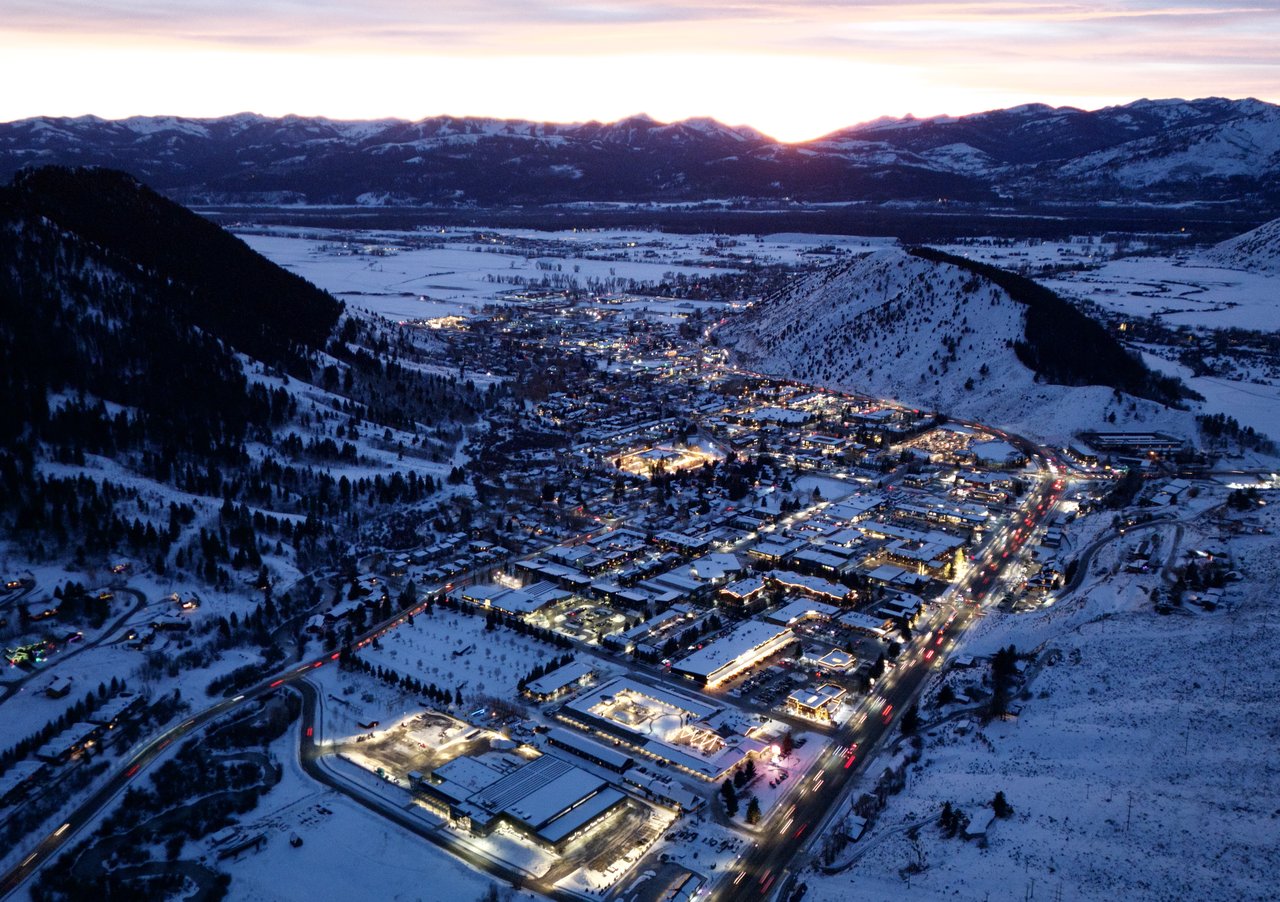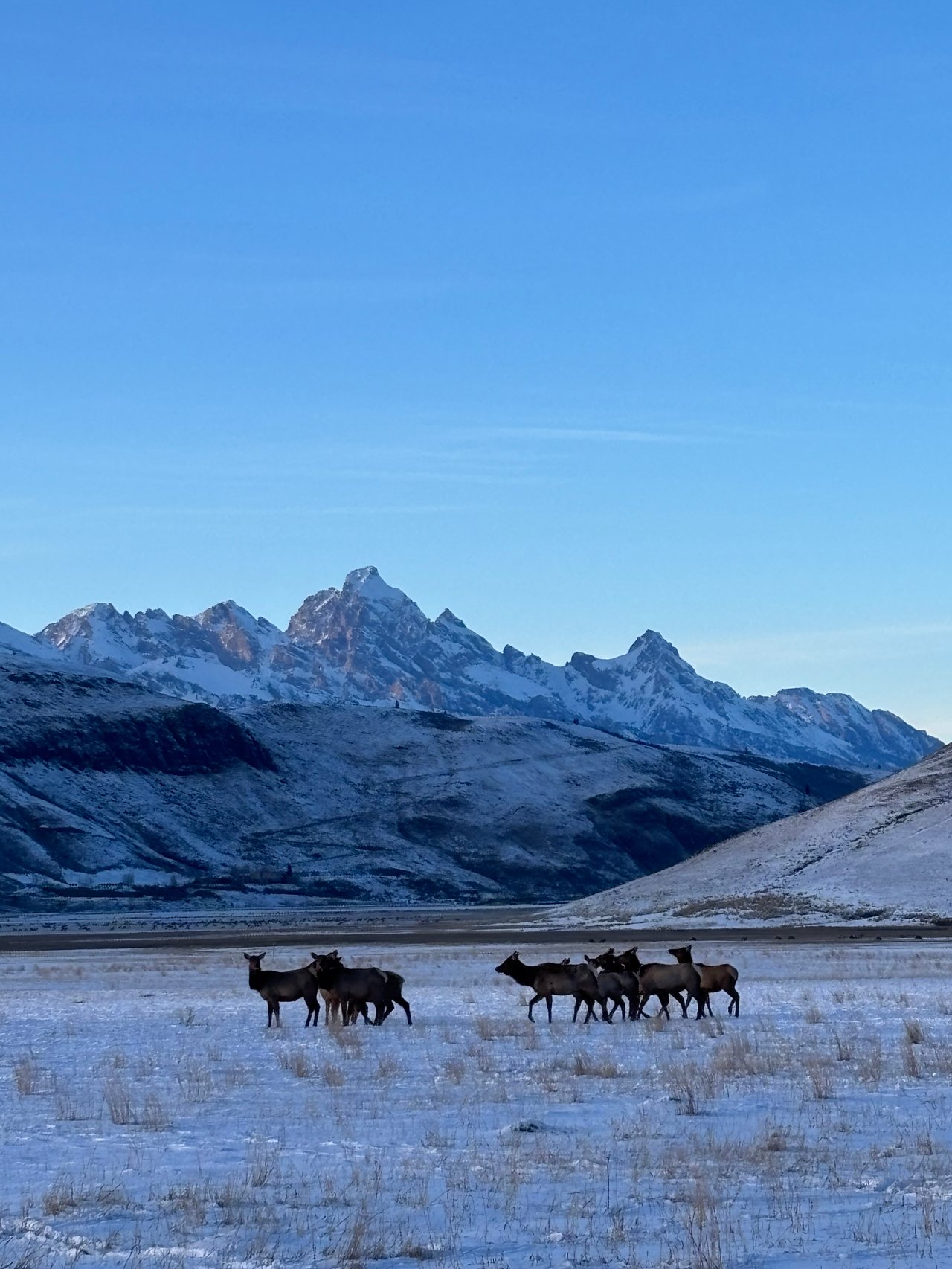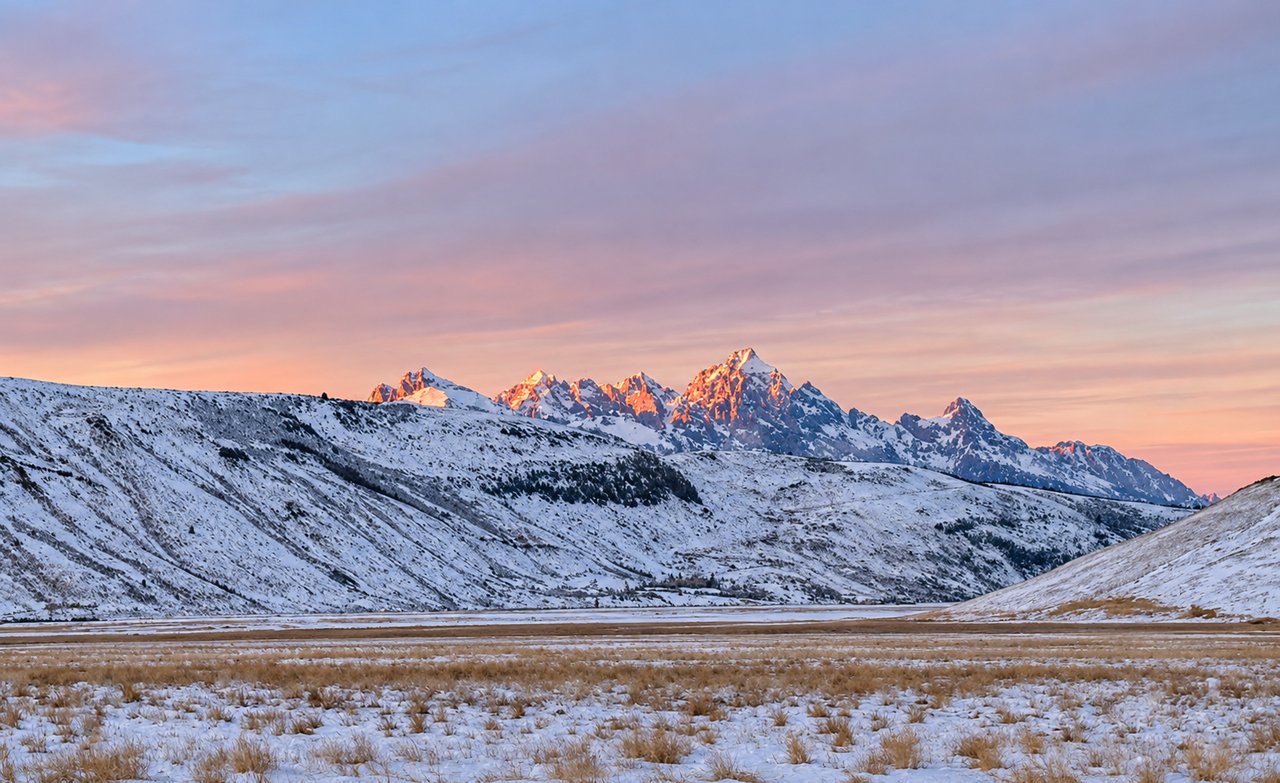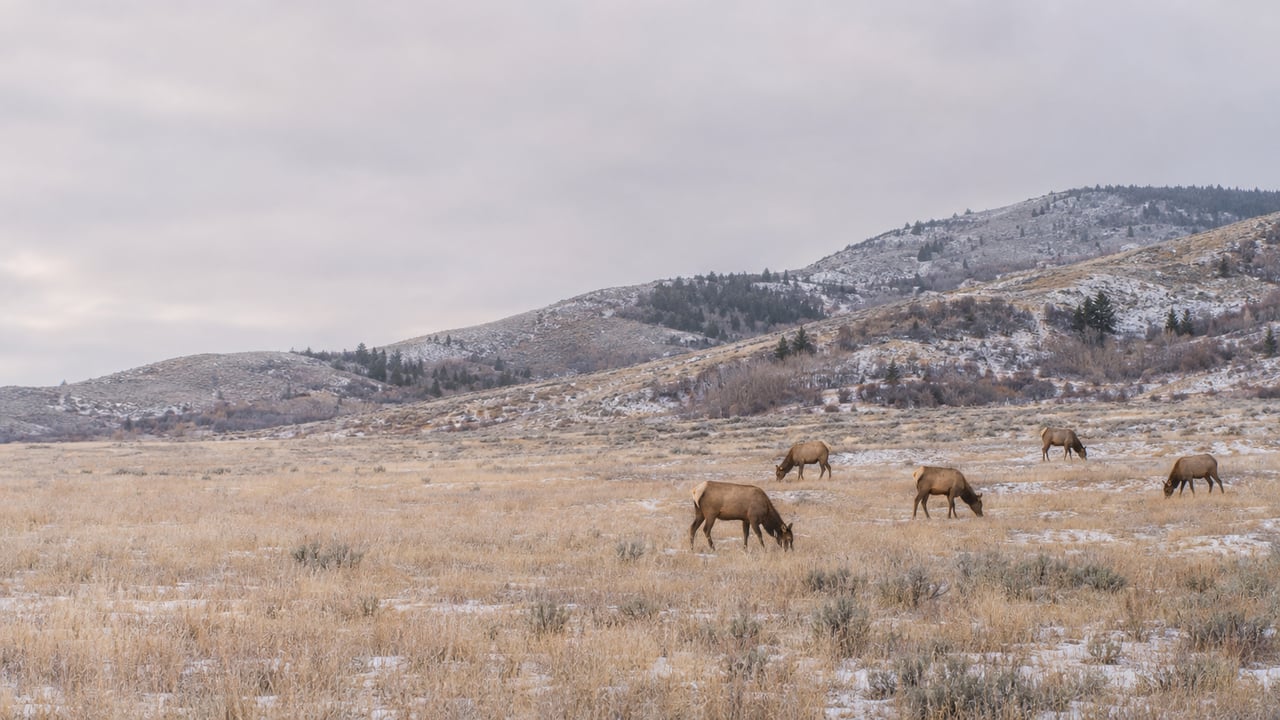
The hay stayed in storage last winter. Snow on the National Elk Refuge stayed below average all season, and the northern half of the Refuge, usually buried, stayed open enough for elk and bison to graze. The elk also spread out. They spent more time than usual in southern Grand Teton National Park, south of Blacktail Butte, in the Kelly hayfields and around the Jackson Hole Airport. Senior wildlife biologist Eric Cole told Buckrail that 2026 was "one of only 11 winters since 1912 where no supplemental feeding occurred on the Refuge," and the first since 2018.
The weather caused that winter. A federal plan released in August proposes a smaller winter herd on the Refuge as a goal. That makes 2025-26 the closest look the Town of Jackson has had at what the meadows north of town could look like most winters. The Refuge calendar for this season is already set, from the youth elk hunt over Thanksgiving weekend to sleigh rides starting December 19. How many elk show up is up to the snow.
The counts from a winter without hay
Cole's survey area covers 11,400 acres on the Refuge's southern half, the stretch closest to town. The most elk he counted there last winter was 6,970, at the end of February, and bison peaked at 450. The big spring migrations away from the Refuge started in mid-March, three to four weeks earlier than usual. On April 2, 2026, Cole counted 2,560 elk on the southern half, 54% below the 10-year average for early April.
The herd itself did not shrink. Wyoming Game and Fish's 2026 trend count put the whole Jackson Elk Herd at 10,029, steady and within objective. GPS collars and count data suggest most of the herd used the Refuge at some point during the winter. Without hay, the herd held steady, spent more of the winter across the valley, and left the Refuge weeks sooner.
A plan that aims for the same pattern
The U.S. Fish and Wildlife Service released the draft environmental impact statement for the Refuge's Bison and Elk Management Plan on August 28, 2026. Its proposed action, Alternative D, would cut the number of elk wintering on the Refuge to about 5,000 over 10 years. It would use changes to feeding and management plus targeted hunting, and the agencies would meet each year to decide whether feeding continues, based on chronic wasting disease trends, herd conditions and how hard the winter is. Public comment closed in mid-October.
The 5,000 figure is not new. Idaho Capital Sun, republishing WyoFile reporter Mike Koshmrl, noted that the 2007 plan the Refuge still runs under set the same goal. The new draft lists ways to reach it, including bigger and reworked hunting seasons, changed start and end dates for feeding, and moving elk to other parts of the valley. It also aims hunters at "suburban" elk that migrate only short distances and spend their summers on ranchland and in subdivisions between Wilson and Grand Teton National Park. The Jackson Hole News&Guide reported that the plan would also end feeding two weeks earlier each season to slow disease spread on the feedground.
Disease is the reason behind the plan. In spring 2026, two cow elk on the Refuge tested positive for chronic wasting disease, the first cases there. Staff put one down on April 15 after it looked emaciated and uncoordinated, and the other was found dead on April 20. Game and Fish reported the positive results on May 6 and May 15. The Refuge now posts CWD tracking on its website and updates it monthly. According to Idaho Capital Sun, an earlier version of the proposed action would have kept feeding elk until CWD reached 7% of the herd. Those triggers are not in Alternative D.
The most surprising numbers came from U.S. Geological Survey modeling included with the draft. The News&Guide reported that the herd is projected to decline over the next 20 years no matter which option managers choose. Continued feeding would leave about 5,000 elk, the proposed reduced feeding about 6,000, and no feeding just under 7,000. Game and Fish's objective for the herd is 11,000. Continued feeding would keep the herd larger than any other option for the first decade, and then disease spread on the feedground would cut it the most. The Fish and Wildlife Service put its view in the draft this way:
"A lower elk population is more in balance with available habitat and will be more sustainable in the future."
Elk on the other side of the fence
Fewer elk on the Refuge means more elk spending winter somewhere else, and much of that ground is private land. Teton County's commissioners addressed this in an October 12 comment letter. The letter takes no position on any alternative or on feeding. It does argue that elk on a property are not the same thing as damage, and it says plainly, "Free-ranging elk on private land are an expected part of living in this corner of the Greater Yellowstone Ecosystem."
The county asked the Service to survey landowners to learn how they feel about elk, including owners who welcome them or see them as adding to their land's value and their own enjoyment. It also named small exclusion fences around gardens, haystacks and stored feed as tools the final plan should study. Because Alternative D depends partly on hunting decisions made by the state, the county wants the final plan to set measurable milestones and backup actions in case the herd reduction falls short.
Outfitters see it differently. Dustin Stetter, president of the Wyoming Outfitters and Guides Association, told the News&Guide that elk are "going to congregate somewhere because they're a gregarious animal, whether that's on the refuge, up the Gros Ventres or somewhere else," and that "it's critical that we feed those elk." Last winter's airport and Kelly hayfield sightings back up the first half of what he said. Elk go somewhere, and without hay, more of them went somewhere other than the Refuge.
This winter's calendar on the Refuge
The elk hunt on the Refuge, the tool the draft plan leans on to shrink the herd, has been underway since November 1. Wyoming Game and Fish's published schedule sets aside Thanksgiving weekend, November 26 through 29, for youth hunters, and the last hunt period of the season runs January 5 through 14.
Sleigh rides start on December 19, the day after the December hunt periods end. The National Elk Refuge Sleigh Rides season runs December 19 through April 3, conditions permitting, from 10 a.m. to 4 p.m. daily, and is closed Christmas Day. For the 2026-27 season, tickets are $43 for adults and $28 for ages 5 to 12, and children 4 and under ride free. Gratuity for the driver is not included. Tickets are sold from a white trailer in the parking lot of the visitor center at 532 N. Cache St., and riders should check in 30 minutes before their ride. Shuttles leave the lot every 20 to 30 minutes for the loading point. The ride lasts 45 minutes to an hour, and the whole outing takes about an hour and a half. Blankets are not provided, so bring your own. Reservations are not required, but the operator strongly recommends them over the holidays.
The number of elk riders see from the sleigh depends on whether the hay comes out, and last winter showed that snow decides that as much as any plan does. Cole's April 2 count of 2,560 elk on the southern half, 54% below the 10-year average, is last spring's baseline. When the Refuge publishes its spring 2027 numbers, compare them to that count.
If you live along the Refuge's edge in East Jackson, or you're wondering what a smaller winter herd could mean for a property where elk already pass through, Mountain Group knows these streets and meadows well and is glad to talk it through. Let's make our hometown yours. Request a consultation.