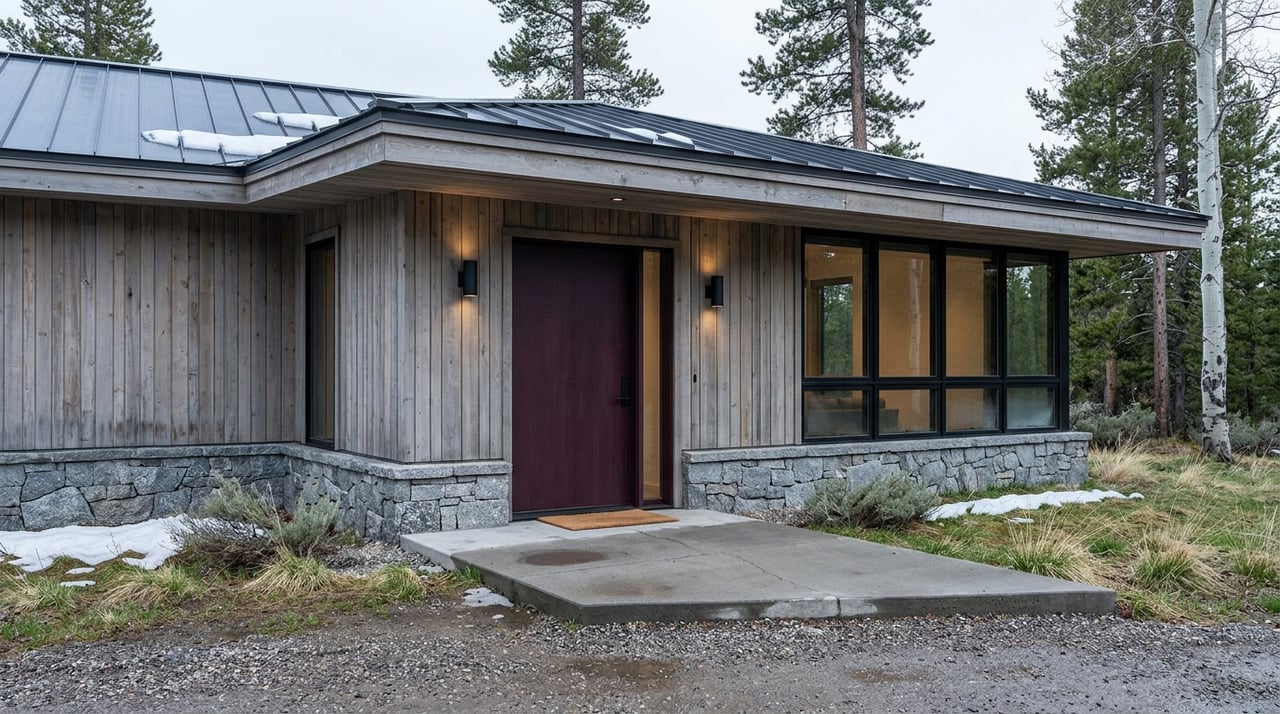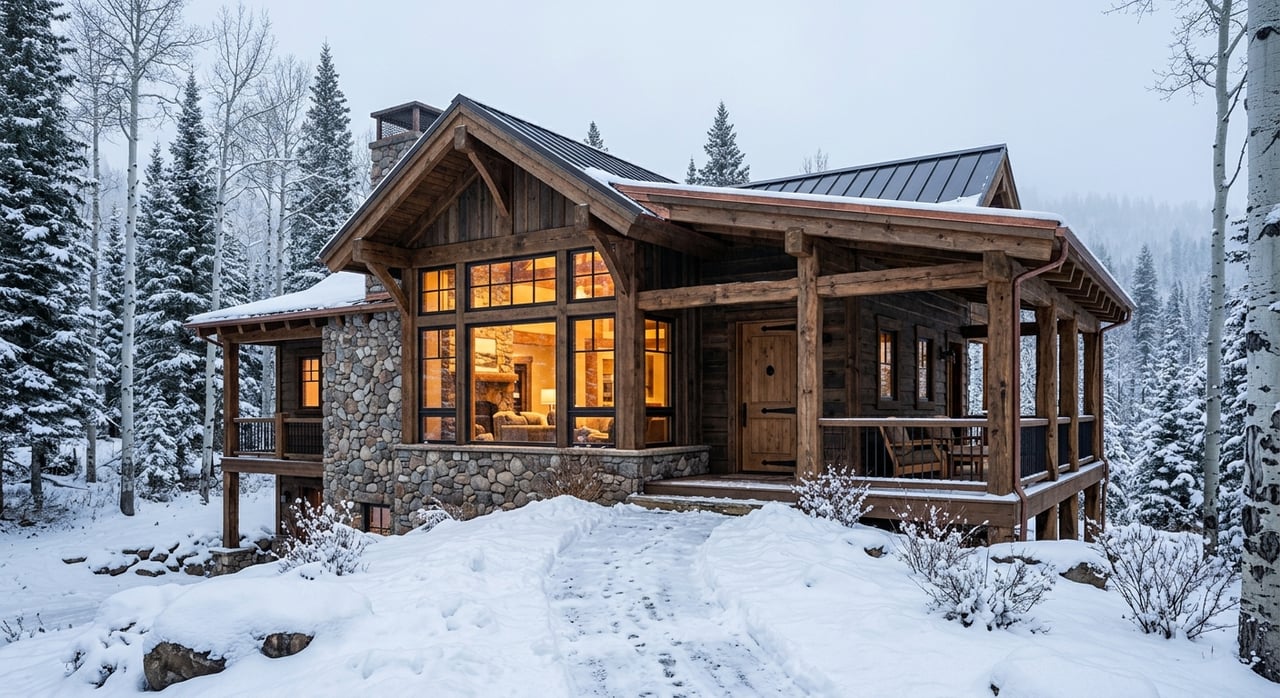
Buying a ski home in Teton Village can feel simple at first glance, then suddenly very detailed once your offer is accepted. Between mountain weather, rental rules, lender timing, title review, and a fast-moving resort market, the path to closing has a few local twists. If you want a smoother purchase and fewer surprises, it helps to know what happens next and what matters most in this corner of Teton County. Let’s dive in.
Why Teton Village closings feel different
Teton Village is the base area for Jackson Hole Mountain Resort and sits about 12 miles northwest of Jackson. That setting is a big part of the appeal, but it also affects the transaction itself. Resort weather can change quickly, which can impact travel, walkthroughs, inspections, and repair timing during winter.
The broader Teton County market also has a meaningful second-home and transitional housing presence. The county’s housing needs assessment found that 27% of housing units are second homes, short-term rentals, or in transition between sale and occupancy. Even when inventory improves, well-priced resort properties can still move quickly, which means your preparation matters.
Build a smart offer first
A strong offer on a Teton Village ski home is not just about price. It should also reflect how you plan to use the property, how ready your financing is, and how reliable your local market data may be. In a resort setting, those details can shape both your negotiating strength and your ability to close on time.
Use local comps, not public sold prices
Teton County is a non-disclosure state, which changes how buyers evaluate value. Sale prices are not published as public information, and the county relies on sales data and comparable properties to estimate value.
For you, that means public sold-price searches are less useful than they might be in other markets. The most helpful comparisons come from local, submarket-specific comps that account for location, design, size, age, and amenities. In Teton Village, that level of detail matters because ski access, property type, and building features can affect value in very specific ways.
Confirm rental use before you write
If rental flexibility is part of your plan, check it before your offer goes in. Teton County allows rentals of fewer than 31 days only in approved locations, including Teton Village Area I for condominiums and single-family homes, and Teton Village Area II for condominiums and townhouses.
Outside approved areas, residential rentals must be at least 31 days. The county also states it will not permit future sub-31-day rentals for owners who previously rented in direct violation of land development regulations. If short-term rental use matters to you, this is one of the first due diligence items to confirm.
Line up your lender early
Resort properties and second homes often require a little more lender coordination. A competitive offer is stronger when your lender already understands the property type, your intended timeline, and any documentation needed for the loan.
That preparation can help reduce stress later if the transaction moves quickly. It also helps you avoid delays during the contract period, when inspections, title work, and closing disclosures all start moving at once.
What happens after your offer is accepted
Once you are under contract, the process becomes more operational. This is the stage where timing, paperwork, and local coordination matter most. In Teton Village, staying organized can make the difference between a smooth closing and a rushed one.
Schedule inspections quickly
After acceptance, one of the first priorities is scheduling your home inspection. If weather is a factor, especially in winter, it is wise to move quickly because access, travel, and contractor availability can shift with conditions.
This is also the point where you start reviewing the property at a deeper level. A prompt inspection timeline gives you room to understand findings, request any needed follow-up, and keep the closing calendar on track.
Keep lender documents moving
During the contract period, your lender will likely need additional documents from you. Staying responsive is important because loan processing can affect every later step, including the final closing date.
You should also review any revised Loan Estimate that arrives before closing. If an important loan term changes, the lender may need to issue a new Closing Disclosure, and that can trigger a new three-business-day review period before closing.
Compare lender costs and timing
If you are still choosing between financing options, compare Loan Estimates carefully. Key points to review include origination charges, lender credits, and the projected closing timeframe.
That timing piece is especially important for a Teton Village ski home. If you are balancing travel plans, winter weather, or a narrow contract schedule, a lender’s ability to close on time can matter just as much as the rate structure.
Title and recorded document review matter here
Title work is always important, but in Teton County it deserves extra attention. The county clerk stores recorded documents electronically through the State of Wyoming, and public records searches can help support the review of a property’s history.
A careful title-company review can help identify recorded restrictions, deed history, or covenants that may affect the property. For a ski home or condo in Teton Village, this step is especially useful when you want clarity on ownership history, recorded limitations, or other documents tied to the property.
Review restrictions and covenants early
In a resort setting, recorded documents can shape how you use and enjoy the home. That may include ownership details, recorded restrictions, or other property-specific limitations.
Reviewing those items early gives you time to ask questions while you are still in the contract period. It is much easier to solve issues before closing than to discover them after the keys are in hand.
Plan for a remote closing if needed
Many Teton Village buyers are purchasing from out of area, so remote closing options can be very helpful. Wyoming law authorizes remote online notarization and remote ink notarization, and a remote notarization is considered performed in Wyoming regardless of where you are physically located.
That makes long-distance closings feasible, but it does not make them casual. Remote closings still require careful document handling, identity verification, and close communication with your closing team.
Expect a document-heavy process
Even when you do not need to be in Wyoming for signing, remote closings still involve detailed coordination. The notarial officer must take reasonable steps to ensure all required parties are viewing the same record.
That means you should expect a process that is efficient but structured. If you are traveling or splitting time between homes, it helps to keep your schedule flexible as signing instructions and final documents come together.
Verify wire instructions by phone
Wire fraud is a real closing risk, especially in the final days before settlement. Scammers may spoof emails from real estate or settlement professionals and send fake wiring instructions.
The safest move is simple: verify wiring instructions through a known phone number or known contact, not by replying to an unexpected email. A quick phone call can protect a very large transfer.
Know the property tax timeline
Property taxes are part of your post-closing budget, so it helps to understand the local schedule before you buy. In Teton County, residential property is assessed at 9.5% of fair market value, and the average mill levy is about 57 mills.
The county states that all property is listed, valued, and assessed as of January 1. Assessment schedules are mailed by the fourth Monday in April, property-tax bills are mailed by the first week of October, and installments are due November 10 and May 10.
Why tax dates matter at closing
These dates can affect prorations and escrow planning. If you are closing at a certain point in the year, your lender and closing team will use the tax schedule to help calculate what is owed and what may be collected.
For second-home buyers especially, having that calendar in mind makes it easier to plan carrying costs after closing. It is one more way to go into ownership with fewer surprises.
A practical closing checklist
If you want to keep your Teton Village purchase moving, focus on a few essentials from the start:
- Confirm whether the property supports your intended rental use
- Rely on local comps, not public sold-price searches
- Choose a lender prepared for a resort or second-home transaction
- Schedule inspections early, especially in winter
- Review title work and recorded documents carefully
- Watch for any revised loan terms that could affect timing
- Verify wire instructions through a trusted phone contact
- Understand the local property tax calendar and likely prorations
How local guidance helps smooth the process
In Teton Village, the value of experienced representation is often operational. You need someone who can help confirm whether a property is in an approved short-term rental area, make sense of property-specific restrictions, and interpret value in a non-disclosure county.
It also helps to have a local advisor coordinating timing across lenders, title, inspections, travel schedules, and weather realities. In a resort market, the smoothest closings usually come from good preparation, clear communication, and local knowledge at every step.
If you are planning a purchase in Teton Village, working with someone who understands both the market and the mechanics can make the experience more confident from offer to closing. When you are ready for personalized guidance, connect with Jennifer Reichert for a thoughtful, high-touch approach to buying in Jackson Hole.
FAQs
What makes buying a ski home in Teton Village different?
- Teton Village purchases often involve fast-changing mountain weather, local short-term rental rules, non-disclosure pricing, and added coordination for second-home or resort-property financing.
How do you estimate value in Teton Village if Wyoming is a non-disclosure state?
- You rely more heavily on local comparable properties that match the home’s location, size, age, design, and amenities, rather than public sold-price searches.
Can you use a Teton Village home as a short-term rental?
- Some properties can be rented for fewer than 31 days, but only in approved areas such as Teton Village Area I and Area II, depending on property type.
Can you close on a Teton Village property remotely?
- Yes. Wyoming law allows remote online notarization and remote ink notarization, which can make out-of-state closings possible with the right planning.
What is the safest way to verify wire instructions for a Teton Village closing?
- Always confirm wiring instructions through a known phone number or trusted contact, not by replying to a last-minute email.
When are Teton County property taxes due on a newly purchased home?
- Teton County property-tax installments are due November 10 and May 10, with bills mailed by the first week of October.