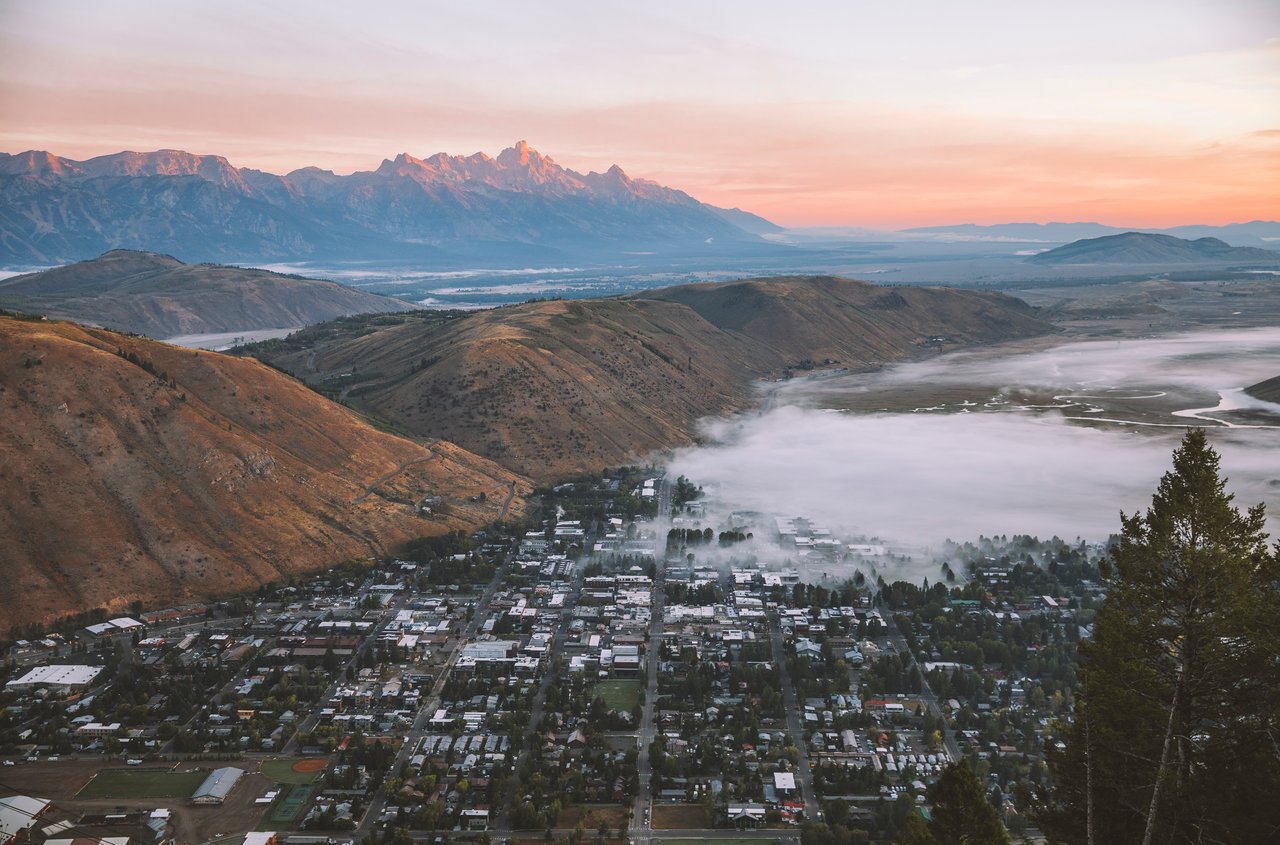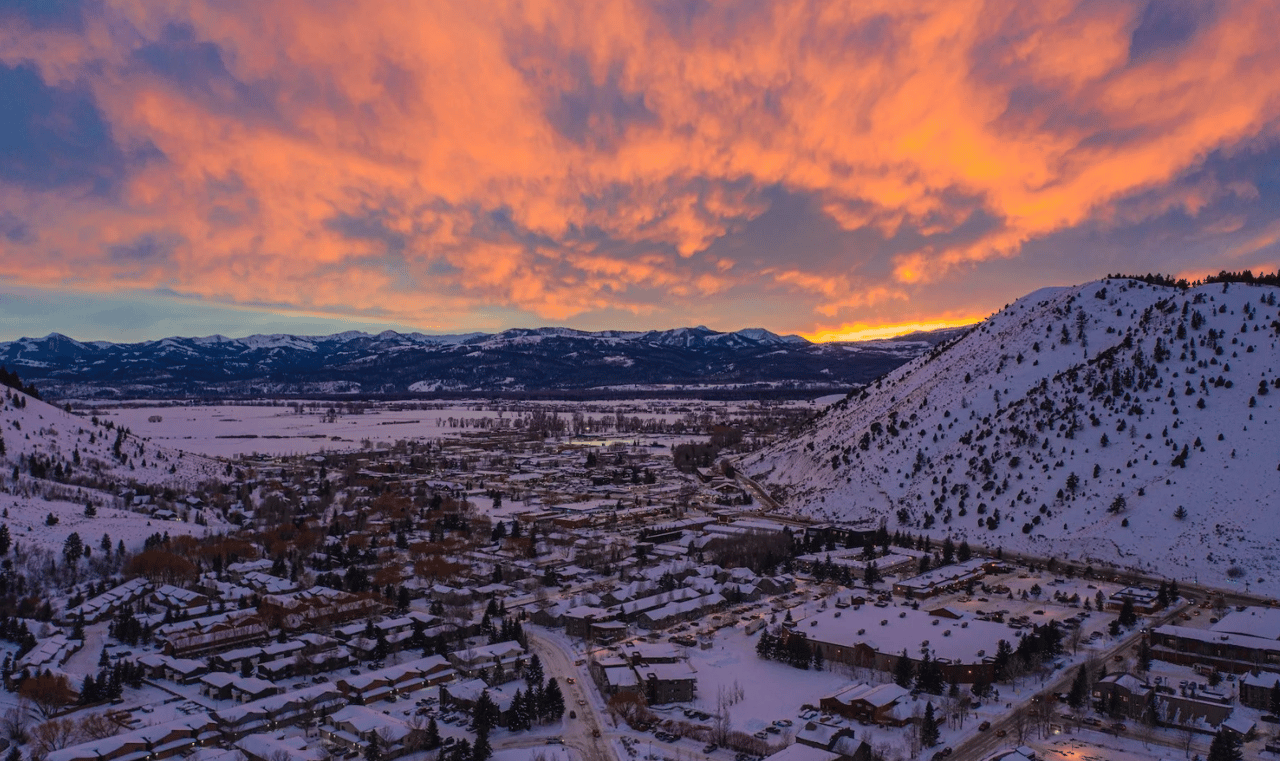
After six years of review, northern South Park has its approval. Teton County commissioners voted 4 to 1 to approve the Gill family's plan for 557 homes on 74 acres of ranch land, and roughly 70% of them are slated to be affordable.
If you live and work here, you already know why that matters. Housing for the people who keep this valley running has been our hardest problem for a long time. This vote doesn't solve it overnight, but it's one of the biggest steps toward deed-restricted homes that Teton County has taken in years. Here's what was approved, what got negotiated, and what it means for locals and the broader market.
What was approved
The plan covers 557 homes on the Gill family's 74 acres in northern South Park. Habitat for Humanity of the Greater Teton Area and the Jackson Hole Community Housing Trust are slated to build about 70% of them as affordable housing, with the rest sold at market rate.
Detail | Number |
|---|---|
Total homes | 557 |
Acreage | 74 acres |
Share slated as affordable | ~70% |
Infrastructure cost (paid by the Gill family) | ~$17 million |
Length of county review | 6 years |
The family is also covering the roughly $17 million in infrastructure needed to develop the land. Commissioner Wes Gardner made a point worth remembering: land is usually the limiting factor for affordable housing here, and this plan puts a large piece of it on the table. Speaking to supporters after the vote, Nikki Gill summed up how the family sees it: "This is our legacy."
The traffic compromise on High School Road
The sticking point right up to the end was traffic, specifically who pays to improve High School Road, the busy corridor that serves our schools. The county originally wanted $3.5 million in road improvements paid for and built up front. The Gill team argued that made the project financially unworkable and unfairly loaded the cost onto an affordable neighborhood.
The final deal splits the bill three ways and spreads part of it over time:
Who pays | Amount | Timing |
|---|---|---|
Gill family | $1.3 million | Up front |
Jackson Hole Community Housing Trust | $1.1 million | 10 equal annual installments, after it receives the land |
Habitat for Humanity | Just over $1 million | 9 equal payments, starting with its first building permits |
The county will manage the construction itself. County Engineer Amy Ramage put the minimum workable road project at $2.2 million, which leaves a gap of roughly $900,000 between that figure and the Gill family's up-front payment. That gap is exactly what drew the lone "no" vote.
How the commissioners voted
Commissioners Natalia Macker, Mark Newcomb, Wes Gardner and Luther Propst voted yes. Len Carlman was the only no.
Before the final vote, Carlman moved to approve the plan but require the full $3.5 million in traffic money up front. That motion failed 3 to 2, with Propst siding with Carlman. Carlman said he hoped the family would read his vote as a nudge to find the remaining $900,000 or so.
The surprise was Propst. He had cast the only opposing vote on the 2024 land development regulations and the 2025 master site plan, worried that market-rate homes would get built faster than affordable ones. This time he backed the plan and voiced support for Habitat and the Housing Trust as they raise money to build. He still flagged a risk: the county may have to fend off future efforts in the state legislature to release the family from its restricted-housing obligations.
Even the supporters called it imperfect. Macker acknowledged she hadn't gotten everything she wanted along the way, and Newcomb said some of the decisions had cost him sleep. State lawmakers Rep. Bob Nicholas, Sen. Mike Gierau and Rep. Mike Yin were in the room, a sign of how closely this project is being watched beyond Teton County.
What this means for locals and buyers
For local workers hoping to buy. This is the most promising path to ownership many working families here have seen in a while. Deed-restricted homes through Habitat and the Housing Trust come with eligibility rules, income limits and resale restrictions, so now is a good time to learn how those programs work and get on their radar. Approval isn't the same as keys in hand, though; both nonprofits still need to raise the money to build.
For market-rate buyers. The remaining homes will be free-market, and the Gill family is already selling lots in its 79-lot Porter Ranch subdivision just southwest of the project, priced from about $700,000 to $1.2 million. For buyers who want to be in town without a Jackson-core price tag, South Park is worth watching closely.
What happens next
One permit stands between this approval and groundbreaking: the grading and erosion control permit. It's usually approved administratively, though the planning director or county engineer could send it to commissioners. According to the family's attorney, Amberley Baker, work could start as soon as that permit clears.
After that, the real work begins: fundraising, building, and making sure the affordable homes keep pace with the market-rate ones.
If you're curious how northern South Park, deed-restricted ownership, or the Porter Ranch lots might fit your plans, reach out. We're always happy to talk through it, whether you're buying your first place in the valley or thinking about your next move.
-Jennifer and Rachael
Source: Jackson Hole News & Guide